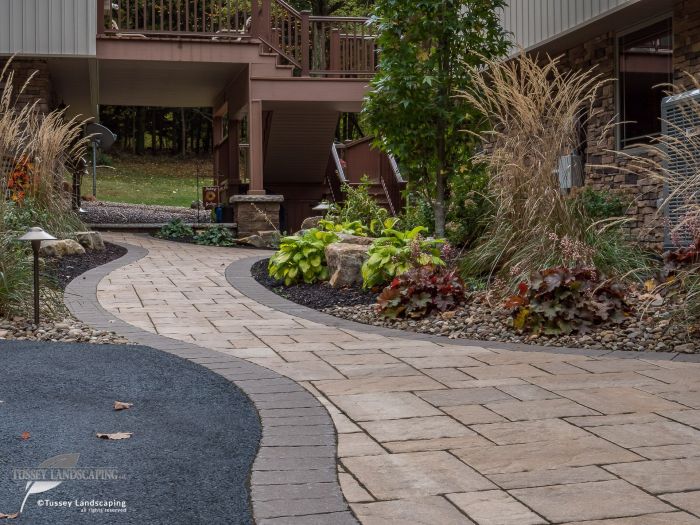
Retaining Wall Walkway Design & Construction
Retaining wall walkways offer a unique blend of function and aesthetics, transforming challenging terrains into beautiful and usable spaces. This guide explores the essential design considerations, construction techniques, and maintenance strategies necessary for building a safe and durable retaining wall walkway. From choosing the right materials to ensuring proper drainage and landscaping, we’ll delve into the intricacies of this project.
This comprehensive guide will cover everything from material selection and construction methods to crucial maintenance steps. We will analyze various approaches to building a retaining wall walkway, taking into account different soil types, traffic loads, and aesthetic preferences. The detailed tables and illustrations will provide practical insights and aid in making informed decisions throughout the entire project.
Design Considerations for Retaining Wall Walkways
A retaining wall walkway provides a functional and aesthetically pleasing pathway, but its design requires careful consideration of various factors. Proper planning ensures stability, durability, and longevity, enhancing the overall user experience. These factors include the selection of appropriate materials, construction methods, and drainage systems, all of which must be integrated to create a safe and reliable walkway.
Retaining Wall Materials
Choosing the right material for a retaining wall walkway is crucial. The selection depends on factors such as budget, desired aesthetics, and the expected lifespan. Different materials offer varying levels of durability and cost-effectiveness.
| Material | Cost | Durability | Aesthetic Appeal |
|---|---|---|---|
| Concrete | Medium | High | Versatile; can be molded into various shapes and finishes |
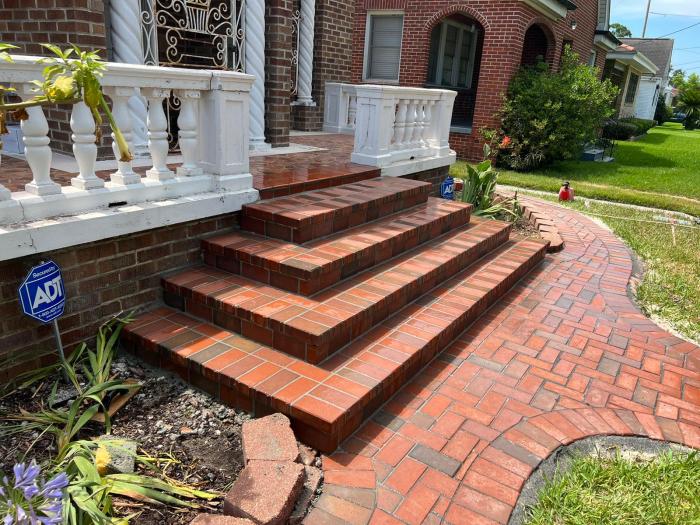
| Stone (e.g., natural stone, flagstone, brick) | High (for natural stone), Medium (for brick) | High (natural stone), Medium (brick) | High aesthetic value; creates a natural and rustic appearance. Variety in colors and textures available. |
| Composite materials | High | Medium to High | Modern appearance, available in various colors and textures; low maintenance. |
| Wood | Low | Medium | Natural aesthetic, but requires regular maintenance and may be susceptible to decay |
Construction Methods
The construction method impacts the walkway’s stability and longevity. Different methods are suitable for various soil types and anticipated traffic loads.
| Method | Advantages | Disadvantages | Suitability for Different Soil Types |
|---|---|---|---|
| Gravity Retaining Walls | Simple construction, relatively inexpensive | Limited height capacity, prone to failure in poor soil conditions | Best suited for shallow retaining walls and stable soils |
| Reinforced Concrete Walls | High stability, high load-bearing capacity | More complex construction, higher cost | Suitable for various soil types, especially those with high bearing capacities. |
| Gabion Walls | Relatively quick construction, aesthetically pleasing with stone, customizable | Limited height and load-bearing capacity; may require additional reinforcements | Good for medium-strength soils. More effective in soils with good drainage. |
Design Factors
Several factors influence the design of a retaining wall walkway. Careful consideration of these factors is essential for long-term stability and safety.
| Factor | Explanation | Design Implications |
|---|---|---|
| Slope | The angle of the slope significantly impacts the retaining wall’s design. Steeper slopes require stronger retaining walls. | Steeper slopes necessitate more substantial retaining walls and potentially more complex construction methods. |
| Soil Conditions | The soil’s type, density, and water table affect the wall’s stability. Clayey soils can be problematic. | Soil testing is crucial to determine the appropriate retaining wall design and construction methods. Drainage systems are often necessary to prevent water buildup. |
| Anticipated Traffic Load | The frequency and weight of pedestrian traffic affect the required strength of the retaining wall. | Heavy traffic loads demand more robust materials and construction methods. |
Drainage Systems
Effective drainage is vital for preventing water buildup behind the retaining wall. This can lead to soil erosion and wall instability. Proper drainage is achieved through various systems.
| Drainage System | Pros | Cons | Effectiveness for Different Conditions |
|---|---|---|---|
| French Drains | Highly effective in diverting water away from the wall base, potentially reducing water pressure. | More complex to install compared to weeping tiles. | Ideal for areas with high water tables and significant rainfall. |
| Weeping Tiles | Relatively simple and cost-effective installation. | It may not be as effective in areas with high water tables or significant rainfall compared to French drains. | Suitable for moderate water conditions. |
| Surface Drainage | The simplest approach involves grading the surrounding area to divert water away from the wall. | Least effective in high-rainfall areas or where water runoff is substantial. | Best suited for low-rainfall areas with well-defined drainage patterns. |
Construction Techniques: Retaining Wall Walkway
Constructing a retaining wall walkway involves meticulous planning and execution to ensure its longevity and stability. Careful consideration of soil conditions, drainage, and reinforcement is critical to prevent costly repairs or structural failures. This section details the essential steps, from excavation to landscaping, for building a robust and aesthetically pleasing walkway.
Installation Steps
Proper installation of a retaining wall walkway is crucial for its long-term performance. A systematic approach, including careful excavation, foundation preparation, and wall construction, minimizes the risk of issues.
| Step Number | Description | Necessary Tools |
|---|---|---|
| 1 | Excavation: Precisely excavate the area to the specified depth, ensuring a level base for the retaining wall foundation. Consider the soil type and its bearing capacity. | Shovel, backhoe, level, measuring tape |
| 2 | Foundation Preparation: Prepare the excavated area by compacting the soil to achieve a firm and stable base. Install any required geotextile fabric for separating the soil from the retaining wall and preventing soil migration. | Compactor, shovel, rake, geotextile fabric |
| 3 | Wall Construction: Construct the retaining wall according to the design specifications. Ensure proper alignment and levelness throughout the process. Install drainage systems and waterproofing elements as required. | Concrete, rebar, forms, level, measuring tape, trowel |
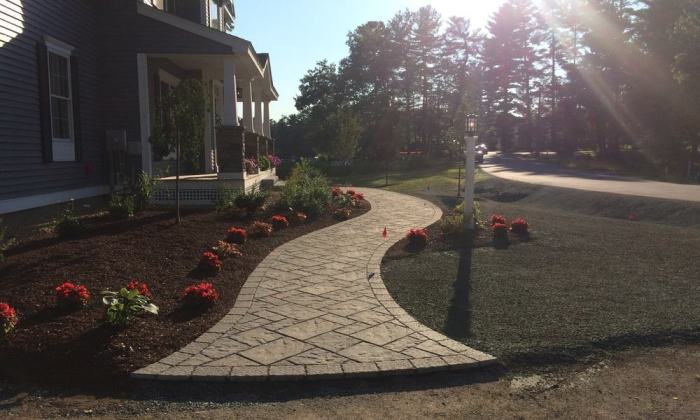
| 4 | Walkway Installation: Install the walkway system, ensuring proper connections with the retaining wall. Use appropriate materials and fasteners for durability. | Walkway materials (pavers, concrete), grouting materials, level, measuring tape, trowel |
Drainage and Waterproofing
Proper drainage and waterproofing are paramount to preventing water damage and maintaining the integrity of the retaining wall walkway. Water accumulation can lead to soil erosion, foundation issues, and structural failure.
Various drainage methods, such as French drains, weep holes, and perforated pipes, can effectively manage water runoff. Properly installed weep holes, for example, allow water to drain away from the wall’s base, preventing waterlogging. Waterproofing materials, such as waterproof membranes, can protect the wall from water penetration, especially in areas prone to high water tables.
Landscaping and Vegetation
Careful selection of plants and landscaping strategies can significantly impact the stability and aesthetics of the retaining wall walkway. Consider the impact of plant roots on the wall structure, as well as the plants’ water retention characteristics.
| Plant Type | Benefits | Potential Drawbacks |
|---|---|---|
| Native Groundcovers | Well-adapted to local conditions, low maintenance, and helps prevent erosion. | May not offer the same visual appeal as exotic plants. |
| Low-growing Shrubs | Provide visual interest, add texture, and color. | Roots may exert pressure on the wall, requiring careful planting techniques. |
| Grasses | Provide a natural aesthetic and help control erosion. | Some grasses may require more maintenance than others. |
Reinforcement and Anchoring
Adequate reinforcement and anchoring are critical for ensuring the stability and longevity of the retaining wall walkway. The type of reinforcement depends on factors such as soil type, slope, and wall height. Geogrid reinforcement, for example, can significantly increase the wall’s ability to withstand soil pressure.
| Reinforcement Method | Applicability for Different Soil Conditions |
|---|---|
| Geogrid Reinforcement | Effective in a wide range of soil types, including loose or sandy soils. |
| Steel Reinforcement (Rebar) | Suitable for high-stress applications and compact soils. |
| Concrete Reinforcement | Often used in combination with other methods, particularly for significant heights or high-pressure situations. |
Maintenance and Safety
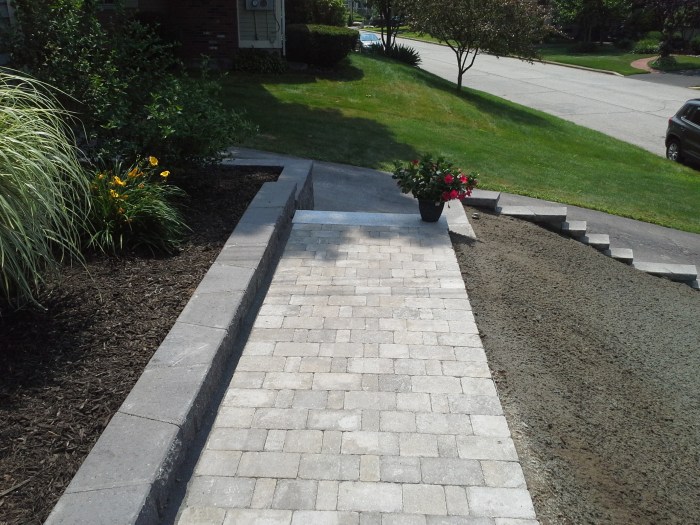
Source: labriepropertymaintenance.com
Proper maintenance and safety protocols are crucial for the longevity and usability of retaining wall walkways. Neglecting these aspects can lead to costly repairs, potential hazards, and compromise the structural integrity of the entire system. A proactive approach to maintenance and safety planning ensures the walkway remains a safe and enjoyable space for users.
Routine Maintenance Procedures
Regular maintenance is essential for preventing issues from escalating. A structured approach ensures the walkway’s continued safety and aesthetic appeal. The following table is a recommended maintenance schedule.
| Maintenance Task | Frequency | Procedure |
|---|---|---|
| Cleaning | Monthly | Remove debris, dirt, and accumulated leaves. Use a gentle detergent and a soft brush for cleaning. Ensure thorough rinsing to avoid residue. |
| Visual Inspection | Weekly | Inspect for loose or damaged components, such as handrails, lighting fixtures, and steps. Note any signs of deterioration or wear. |
| Crack Inspection | Quarterly | Check for any new or widening cracks in the retaining wall or walkway surfaces. Document the location and severity of any found issues. |
| Drainage Inspection | Semi-Annually | Ensure proper drainage flow around the retaining wall. Remove any obstructions and address any signs of water pooling. |
| Repair of Minor Damage | As Needed | Address any identified minor damage, such as chipped paint or loose screws, immediately to prevent further deterioration. |
Safety Precautions, Retaining Wall Walkway
Prioritizing safety is paramount during all phases of retaining wall walkway projects. The following precautions mitigate potential risks.
| Precaution | Explanation | Implementation Strategies |
|---|---|---|
| Fall Protection | Implement measures to prevent falls from the walkway or adjacent areas. | Install guardrails and handrails along the walkway’s edges. Provide adequate lighting at night. |
| Slip Resistance | Ensuring the walkway surface offers sufficient traction to prevent slips and falls. | Use non-slip materials for the walkway surface. Regularly treat the walkway to remove any slippery substances like moss or algae. |
| Weatherproofing | Protecting the walkway from adverse weather conditions that could affect its integrity or safety. | Ensure proper drainage systems are in place to prevent water accumulation. Consider adding protective coverings during severe weather. |
| Warning Signs | Marking potential hazards or areas that require caution. | Place warning signs at the edges of the walkway, stairs, and other potential fall hazards. |
| Regular Safety Meetings | Providing training and information to workers and users regarding safety protocols. | Conduct regular safety meetings to review procedures, discuss safety concerns, and address any new safety issues. |
Potential Issues and Solutions
Retaining wall walkways are susceptible to various issues. Addressing these issues proactively can prevent significant problems.
| Potential Issue | Diagnosis | Solutions |
|---|---|---|
| Settlement | Uneven settling of the walkway surface or adjacent ground. | Check for differential settlement by comparing levels across the walkway. Consult with geotechnical engineers to determine the cause and implement appropriate remedial measures. |
| Erosion | Degradation of the soil around the retaining wall, leading to instability. | Improve drainage to prevent water accumulation. Install erosion control measures, such as retaining walls, or use appropriate landscaping techniques. |
| Structural Damage | Cracks, deformations, or signs of weakening in the retaining wall or walkway. | Inspect the affected area carefully. Consult with structural engineers to assess the extent of the damage and implement repairs or reinforcement as necessary. |
Importance of Inspections and Maintenance
Regular inspections and maintenance are vital for avoiding costly repairs and ensuring user safety. A proactive approach is essential to prevent minor issues from escalating into significant problems.
Regular inspections should include:
- Visual inspection for any signs of damage, such as cracks, uneven settling, or deterioration.
- Checking for proper drainage and water runoff.
- Evaluating the structural integrity of the retaining wall and walkway.
- Assessing the condition of handrails, lighting, and other safety features.
Epilogue
In conclusion, constructing a successful retaining wall walkway involves careful planning, precise execution, and ongoing maintenance. By considering the factors outlined in this guide, from material selection and construction techniques to landscaping and safety precautions, you can create a durable, aesthetically pleasing, and functional walkway that enhances your property. The key is to understand the nuances of each aspect and choose the solutions that best fit your specific needs and conditions.