Modern Front Walkway Design & Trends
Modern front walkway design is evolving, pushing the boundaries of aesthetics and functionality. From sleek materials to integrated accessibility features, creating a stunning and practical entrance is possible. This guide explores the latest trends, practical considerations, and how to seamlessly integrate your new walkway into your home’s design.
We’ll delve into the diverse materials, from durable concrete to charming pavers, and discuss how architectural style influences design choices. Understanding the importance of proper drainage and lighting will be crucial for a walkway that not only looks great but also stands the test of time.
Modern Front Walkway Design Trends
Modern front walkways are evolving beyond mere functional pathways. They’re becoming integral design elements, reflecting the homeowner’s aesthetic preferences and the overall architectural style of the property. This transformation emphasizes visual appeal, durability, and seamless integration with the surrounding landscape.
Current design trends prioritize clean lines, minimalist aesthetics, and the use of high-quality materials. This shift moves away from overly ornate or traditional designs, embracing a contemporary, often neutral palette. Emphasis is placed on functionality while maintaining visual appeal and a cohesive design language throughout the property.
Modern Material Choices
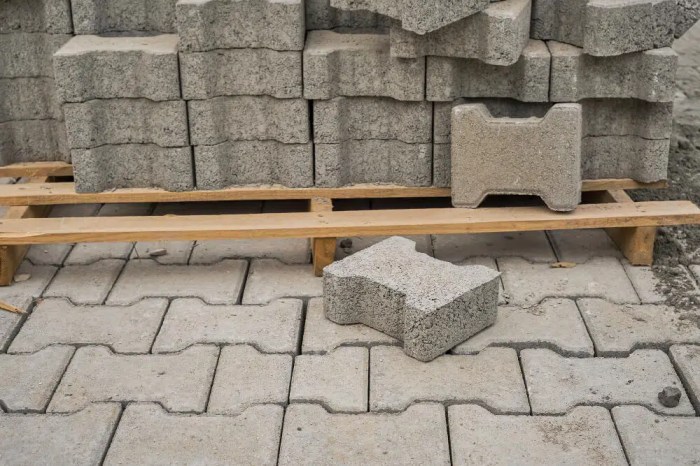
Contemporary front walkway designs often feature a variety of materials, each offering unique aesthetic qualities and practical benefits. Common materials include concrete, pavers, wood, and stone, each with its own character and maintenance requirements.
Architectural Style Influence
Architectural style significantly impacts the choice of materials and design elements for a front walkway. A modern farmhouse, for instance, might feature a simple, yet durable concrete walkway with integrated lighting. Conversely, a Craftsman-style home could incorporate natural stone pavers to complement the home’s character. The walkway becomes a crucial element in reinforcing the architectural theme of the house.
Comparison with Traditional Styles
Traditional front walkways often incorporate intricate patterns, decorative elements, and a more ornate aesthetic. Modern designs, in contrast, prioritize simplicity and functionality, relying on clean lines and minimal embellishments. Modern walkways frequently use uniform materials and textures, aiming for a unified look.
The Role of Lighting
Well-placed lighting significantly enhances the appeal and safety of a modern front walkway. Strategic use of LED lighting can highlight architectural features, create a welcoming ambiance, and provide illumination for nighttime safety. Pathways and steps often incorporate LED strips or strategically positioned fixtures to provide illumination and create visual interest. This is especially important for safety and aesthetics, and can add a sense of sophistication.
Material Options for Walkways
| Material | Aesthetics | Durability | Maintenance |
|---|---|---|---|
| Concrete | Versatile, can be molded into various shapes and colors; can provide a sleek, modern look. | Highly resistant to weathering and cracking if properly poured and reinforced. | Requires occasional sealing and cleaning; potential for staining if not properly sealed. |
| Pavers | A wide range of colors, shapes, and textures can create intricate patterns and add visual interest. | High, durable, and resistant to wear and tear. | Requires regular sweeping and occasional sealing to prevent staining and deterioration. |
| Wood | Natural, warm, and inviting, it adds a touch of rustic charm or a modern feel, depending on the treatment. | Moderate; susceptible to rot and decay if not treated properly. | Requires regular cleaning and sealing to protect from moisture and pests; vulnerable to damage from harsh weather. |
| Stone | Natural beauty and varied textures add an elegant and timeless touch. | Very High; resistant to weathering, cracking, and abrasion. | Requires occasional cleaning and sealing to prevent staining and deterioration; may require special care for certain types of stone. |
Functionality and Practicality
A modern front walkway, beyond aesthetics, demands careful consideration of practicality. This involves prioritizing safety, accessibility, and drainage to create a welcoming and functional space for everyone. Careful planning in these areas ensures the walkway serves its intended purpose for years to come.
Practical design considerations often get overlooked, but they are critical for a walkway’s longevity and usability. Addressing safety, accessibility, and drainage upfront saves significant headaches and expenses later. This section will delve into these crucial aspects, offering guidance on creating a functional and user-friendly modern walkway.
Safety Considerations
Ensuring a safe walkway involves careful material selection and design. Smooth surfaces can lead to slips and falls, especially in wet conditions. Incorporating textures or non-slip materials can drastically improve safety. Using contrasting colors or reflective materials, particularly in low-light areas, enhances visibility and reduces the risk of accidents. Careful grading and the avoidance of abrupt elevation changes contribute to the prevention of tripping hazards.
Accessibility Features
Walkways should be designed with accessibility in mind. This includes providing sufficient width for wheelchairs and strollers, ensuring a gradual slope for easier navigation, and incorporating ramps or tactile paving where necessary. Wheelchair users require a minimum width of 3 feet, and ramps should adhere to local building codes and accessibility standards. Tactile paving, with its raised textures, aids visually impaired individuals in navigating the walkway.
Drainage Solutions
Proper drainage is crucial to prevent water damage to the walkway and surrounding areas. The walkway’s surface should slope away from the building to allow water to drain efficiently. Install gutters and downspouts to divert water away from the foundation. Using permeable paving materials can allow water to seep into the ground, reducing surface runoff. Properly designed drainage systems prevent pooling, which can lead to structural damage and mold growth.
Narrow Space Walkway Layout
Designing a walkway in a narrow space requires creative solutions. The walkway should maximize available width and avoid unnecessary obstacles. A simple, linear design, using materials that minimize visual bulk, is ideal. Strategic use of lighting can also enhance the perception of space. Consider a raised walkway, if the height difference allows, for a visually appealing and practical solution in a constrained area.
Walkway Material Comparison
| Material | Slip Resistance | Frost Resistance | Cost |
|---|---|---|---|
| Concrete | Moderate | High | Medium |
| Pavers (Brick, Stone, etc.) | High (with appropriate surface treatments) | Moderate to High (depending on type) | High |
| Composite Decking | High | High | High |
| Wood | Low (prone to slipping) | Low (susceptible to rot and warping) | Moderate |
| Porcelain Paving | High | High | Very High |
Note: Slip resistance and frost resistance ratings are relative and can vary based on specific material type and treatment. Cost is a general comparison and may fluctuate based on location and specific material choice.
Integration with the Home and Landscape
Source: techzle.com
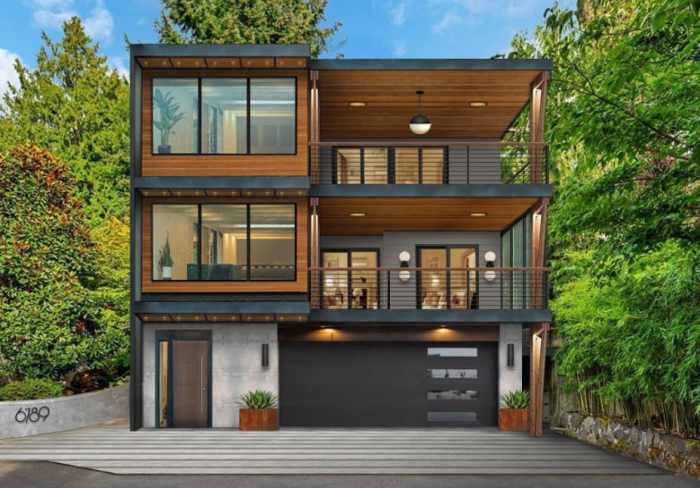
Modern front walkways are more than just paths; they are an extension of the home’s design, connecting the interior to the exterior and establishing a welcoming first impression. Careful integration with the landscaping and thoughtful lighting choices elevate the walkway’s aesthetic appeal and enhance the overall curb appeal. This section explores how to seamlessly incorporate walkways into the broader design scheme.
Integrating a walkway effectively involves considering its alignment with the home’s architectural style. A contemporary home, for instance, might benefit from a clean-lined, geometric walkway, whereas a traditional home could feature a more ornate, curving path. The material selection should also complement the home’s aesthetic and the surrounding environment. Natural stone, concrete, or pavers can provide a range of textures and colors, offering homeowners significant flexibility in creating a harmonious blend.
Examples of Seamless Integration
Modern walkways can be integrated into the home’s design through various approaches. For example, the materials and colors used for the walkway can be matched with the exterior siding or trim colors. This creates a unified aesthetic, guiding the eye from the entrance to the rest of the home. Similarly, the walkway’s design can echo the architectural elements of the home, such as the roofline or window patterns, creating a cohesive visual narrative.
Importance of Landscaping and Greenery
Landscaping plays a critical role in enhancing the walkway’s aesthetic and functionality. Well-placed greenery can soften the hardscape of the walkway, adding visual interest and a touch of natural beauty. Native plants are particularly well-suited for this purpose, requiring less maintenance and better adapting to local conditions. Consider the plants’ mature size to ensure they don’t overshadow the walkway or encroach on the usable space.
Role of Outdoor Lighting
Strategic outdoor lighting is essential for enhancing the walkway’s visual appeal and safety. Path lights or low-level fixtures can illuminate the walkway, creating a warm and inviting ambiance. Motion-activated sensors can enhance security while optimizing energy consumption. Uplighting strategically placed on trees or landscaping elements can draw attention to architectural details and highlight the overall design. Careful consideration of the light color and intensity is critical for a pleasing and functional effect.
Landscaping Styles, Modern front walkway
Different landscaping styles can complement modern front walkways in various ways. A minimalist design might feature a clean, geometric layout with carefully selected, low-maintenance plants. A more naturalistic approach could involve winding pathways, native plants, and strategically placed rocks. The chosen style should reflect the homeowner’s preferences and the overall architectural style of the home.
Incorporating the Walkway into the Home’s Entrance and Exterior Design
A well-designed walkway acts as a crucial element in a home’s entrance and exterior design. The walkway should lead directly to the front door, providing a clear and inviting path. Consider adding decorative elements like planters or sculptures to add visual interest along the path. The walkway’s material should also be consistent with the overall exterior design. A modern home might benefit from a smooth concrete or polished stone walkway, while a more traditional home might favor a stone or brick path.
Landscape Design for a Modern Front Walkway
This landscape design focuses on a modern, minimalist approach, highlighting the walkway and its integration with the home’s architecture.
- Plant Choices: Low-maintenance, drought-tolerant native grasses (e.g., blue grama) and shrubs (e.g., desert willow) for visual interest and minimal upkeep. A few accent plants with contrasting textures and colors (e.g., succulents, ornamental grasses) will add depth.
- Hardscape Elements: A smooth, light-gray concrete walkway with subtle variations in texture. Small, carefully placed flagstone pavers can define areas around the entrance. A few strategically placed, contemporary metal planters can enhance the visual appeal.
- Lighting Strategies: Low-level LED path lights along the walkway to illuminate the path safely. Uplighting on key landscaping elements to highlight their form and texture. A small, well-placed outdoor pendant light above the entrance can create a focal point.
Final Review
In conclusion, crafting a modern front walkway involves careful consideration of design trends, practical elements, and integration with your home and landscape. By understanding material choices, safety features, and the role of lighting, you can create a walkway that is both visually appealing and functional. The examples and tables provided offer practical tools to guide you through the design process, ensuring a walkway that reflects your style and complements your home’s unique character.