Front Walkway Landscaping Design & Budget
Front walkway landscaping transforms your home’s entrance. This guide explores diverse design concepts, from modern to rustic, offering practical advice on plant selection, lighting, and hardscaping materials. We’ll delve into the importance of choosing appropriate plants for your local climate and soil, along with maintenance tips and common problem-solving strategies. Finally, we’ll cover budgeting and sourcing materials, helping you create a stunning and functional walkway without breaking the bank.
Whether you’re aiming for a small-space solution or a grand, expansive design, this comprehensive resource equips you with the knowledge to tackle your front walkway landscaping project. From choosing the perfect pavers to selecting the right shrubs, we’ll guide you through each step, ensuring a beautiful and well-maintained walkway.
Front Walkway Design Ideas
Source: co.uk
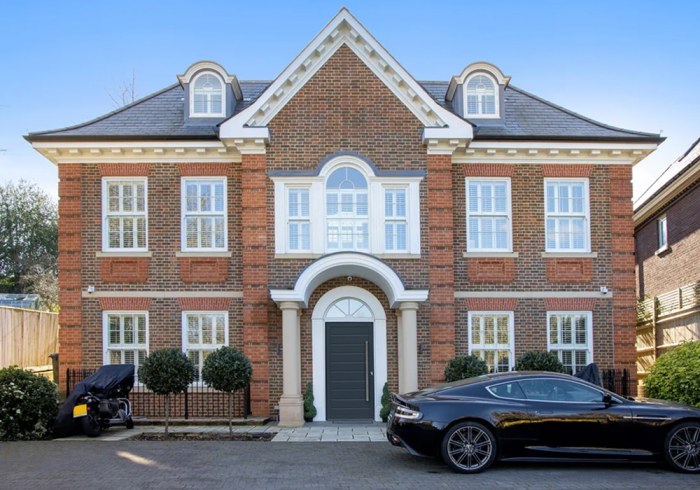
A well-designed front walkway sets the tone for the entire home’s exterior. It’s a crucial element in creating a welcoming and aesthetically pleasing entrance. Thoughtful consideration of design, materials, and lighting can transform a simple walkway into a captivating focal point.
Front Walkway Design Concepts
Different design styles can be incorporated to achieve distinct moods and aesthetics. These options are presented to inspire the homeowner to find the style that best complements their home.
- Modern Style: This style often features clean lines, minimalist forms, and a focus on functionality. A modern walkway might use smooth, polished concrete pavers or large, rectangular flagstone slabs arranged in a straight or slightly curved path. Plants like grasses (e.g., Japanese forest grass, ornamental grasses), succulents (e.g., echeveria, agave), or low-growing shrubs (e.g., dwarf boxwood) complement the modern aesthetic. Consider incorporating geometric patterns in the paver layout for a visually striking effect.
- Traditional Style: Traditional walkways frequently use natural materials like brick pavers or stone. A traditional walkway might incorporate a winding path or a gently curved design, and the materials would have a slightly rougher texture than modern designs. Plant choices could include flowering shrubs (e.g., roses, hydrangeas), flowering perennials (e.g., hostas, daylilies), and groundcovers (e.g., creeping phlox). Consider incorporating decorative elements like wrought iron railings or lanterns for a traditional feel.
- Rustic Style: Rustic walkways emphasize natural materials and organic forms. This design might use uneven flagstones or river rocks, creating a less formal and more natural look. Planting choices should complement the natural aesthetic, such as native wildflowers (e.g., coneflowers, black-eyed Susans), ferns, and native trees. Think of pathways with natural curves and a rough, unpolished appearance for a truly rustic feel.
Role of Lighting in Walkway Design
Proper lighting is essential for both aesthetics and safety. Well-placed lights illuminate the path, making it safer for navigation at night and enhancing the curb appeal of the home.
- Lighting Options: Consider using LED pathway lights, strategically positioned to guide visitors along the walkway. Solar-powered lights are an energy-efficient choice. Recessed lighting in the walkway itself can create a subtle glow. Consider installing a combination of different lighting types to achieve the desired effect.
- Impact on Aesthetics and Safety: Lighting adds visual interest and warmth to the walkway, highlighting its features and creating a welcoming ambiance. Proper lighting ensures safety by making the path visible in low-light conditions, reducing the risk of tripping or accidents.
Hardscaping Materials for Walkways
The choice of hardscaping materials plays a crucial role in the walkway’s appearance and durability.
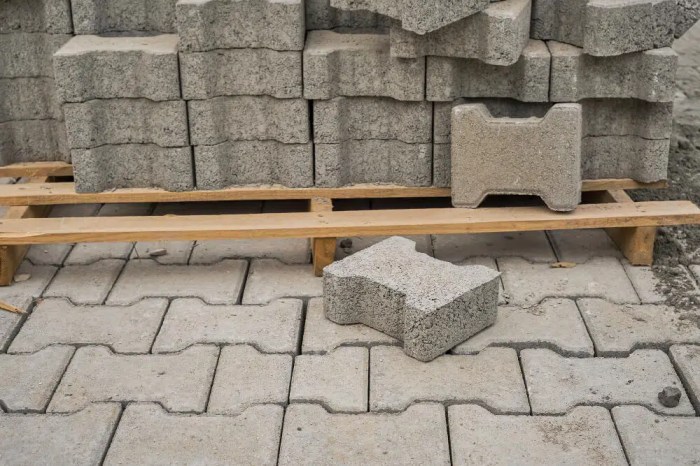
- Material Combinations: Combining different hardscaping materials can create visual interest. For example, a walkway might use flagstone edging with pavers for the main path, adding visual appeal and definition. Natural stone, like river rocks, can be incorporated to create a border or a decorative element within the pathway. The selection should consider the overall aesthetic and budget.
Walkway Design for Small Spaces
Space-saving design is critical for small properties.
- Space-Saving Landscaping Ideas: Use vertical landscaping elements like trellises or cascading planters to maximize space. Consider using low-growing plants that won’t overwhelm the walkway area. A compact layout, such as a linear path, is ideal for a small space. The choice of plants and materials should be carefully considered to avoid overcrowding.
- Plant Choices: Select compact shrubs and groundcovers to avoid encroaching on the walkway or yard area. Dwarf varieties of trees and flowering plants are also suitable choices for small spaces.
Ground Cover Plants for Walkways
Ground cover plants are an excellent choice for walkways. The selection should consider the desired growth rate and maintenance requirements.
| Plant Type | Growth Rate | Maintenance | Water Needs |
|---|---|---|---|
| Creeping Thyme | Moderate | Low | Moderate |
| Vinca | Fast | Low | Moderate |
| Creeping Phlox | Moderate | Low | Moderate |
| Lily Turf | Moderate | Low | Low |
| Clover | Fast | Very Low | Low |
Planting and Maintenance
A well-maintained front walkway enhances curb appeal and contributes to a welcoming home environment. Careful consideration of plant selection and consistent maintenance are crucial for achieving this.
Proper plant selection, tailored to local conditions, ensures thriving growth and long-term aesthetic appeal. Ignoring these factors can lead to costly replacements and a less attractive landscape.
Plant Selection for Local Conditions
Selecting appropriate plants is essential for a thriving walkway. Plants must be compatible with the local climate, including the typical temperature range, rainfall patterns, and sunlight availability. Soil conditions, such as drainage and pH levels, also play a significant role. A plant that thrives in a different region may struggle or even perish in a new environment. Matching the right plant to the right environment is key to long-term success.
Plant Types for Front Walkways
Various plants excel in front walkway landscaping. Flowering annuals, perennials, and shrubs offer a spectrum of colors and textures, adding visual interest throughout the seasons. Consider a mix of heights and textures to create a dynamic and layered effect. Deciduous trees, with their seasonal color changes, can provide a focal point and enhance the overall design.
Maintenance Strategies for a Healthy Walkway
Regular maintenance ensures a healthy and attractive front walkway. Watering schedules should be tailored to plant needs and weather conditions. Overwatering can lead to root rot, while insufficient watering can result in wilting and plant death. Appropriate pest control methods, such as insecticidal soaps or beneficial insects, should be employed to manage pests effectively without harming beneficial pollinators. Pruning techniques, such as shaping and removing dead or damaged branches, maintain plant health and promote a neat appearance.
Common Landscaping Problems and Solutions
Front walkways are susceptible to several problems. Pest infestations, such as aphids or slugs, can damage plants. Effective pest control measures, like targeted insecticides or physical removal, are crucial. Plant diseases, like fungal infections, can also affect the health of plants. Preventing disease through proper watering and plant spacing is key. Overgrowth of plants can obstruct walkways or create a cluttered appearance. Regular pruning and trimming are essential for maintaining the desired size and shape.
Ideal Flowers and Shrubs for Front Walkways
| Plant Name | Bloom Time | Color | Sun Exposure |
|---|---|---|---|
| Petunias | Spring to Fall | Various (red, pink, purple, white) | Full Sun |
| Daylilies | Summer | Various (orange, yellow, red, white) | Full Sun to Part Shade |
| Roses | Spring to Fall | Various (red, pink, yellow, white) | Full Sun |
| Hydrangeas | Summer | Various (pink, blue, white) | Part Shade to Full Shade |
| Spirea | Spring | Pink, white | Full Sun to Part Shade |
This table provides a selection of flowers and shrubs suitable for front walkways, highlighting their bloom times and color variations. Careful consideration of sun exposure requirements is crucial for plant selection.
Budget and Materials
A well-planned budget is crucial for any landscaping project. Understanding the costs of materials and labor allows for realistic expectations and effective project management. This section will detail how to create a budget, compare materials, estimate quantities, and find resources for your front walkway project.
A thorough budget analysis ensures that the project remains within the allocated funds, avoiding costly surprises and allowing for adjustments based on varying material costs. Careful consideration of material choices and associated costs is essential for a successful and cost-effective landscaping project.
Sample Budget for a Front Walkway Landscaping Project
This sample budget assumes a 10-foot-long walkway. Real-world costs will vary depending on location, materials, and labor rates.
- Materials:
- Concrete pavers (100 sq ft): $1500
- Gravel base (100 sq ft): $200
- Edging (10 linear ft): $100
- Mulch (10 cubic ft): $100
- Planting materials (e.g., shrubs, flowers): $200
- Labor:
- Installation of pavers and edging: $1000
- Planting: $300
- Project Management: $150
- Contingency:
- Unexpected costs: $200
- Total Estimated Budget: $3650
Cost-Effectiveness of Landscaping Materials
Different materials offer varying levels of cost-effectiveness. The choice often depends on aesthetic preferences, durability needs, and the project’s budget.
- Wood: Wooden walkways can be visually appealing, but require more maintenance (e.g., staining, sealing) and are less durable than other options in harsh climates. Cost is moderate.
- Concrete: Concrete walkways are durable and long-lasting but can be more expensive than other options, depending on design complexity. Concrete pavers are more cost-effective than large poured concrete slabs.
- Stone: Natural stone walkways are aesthetically pleasing and durable but have the highest initial cost among the three options. Cost varies widely depending on the type of stone.
Estimating Materials Required
Accurately estimating material quantities is crucial for avoiding overspending or shortages.
- Measure the walkway area: Determine the length and width of the walkway to calculate the square footage. Consider the depth of the walkway, if applicable.
- Calculate the quantities of each material: For instance, if using pavers, estimate the number of pavers needed to cover the area. Consult the manufacturer’s specifications for information about paver sizes and required base materials.
- Consider material thickness and depth: Estimate the volume required to account for the thickness of materials like gravel, mulch, and concrete.
- Waste factor: Allow for a small percentage of waste in your calculations for cutting and breakage during installation.
Resources for Sourcing Materials, Front walkway landscaping
Finding reliable suppliers is important for quality and price.
- Local Nurseries: Nurseries offer a wide selection of plants, shrubs, and mulch.
- Hardware Stores: Hardware stores carry a variety of landscaping materials, including pavers, edging, and gravel.
- Landscaping Supply Companies: Specialised landscaping companies can provide various materials and installation services.
- Online Retailers: Online retailers offer competitive pricing and a wide selection of products, but delivery costs should be considered.
Material Costs Table
This table provides a general idea of costs, but prices may vary based on location, availability, and specific products.
| Material | Cost per Unit | Quantity Needed | Total Cost |
|---|---|---|---|
| Pavers | $15 | 100 | $1500 |
| Gravel | $2 | 100 sq ft | $200 |
| Mulch | $1 | 10 cubic ft | $100 |
| Edging | $10/linear ft | 10 linear ft | $100 |
Last Point: Front Walkway Landscaping
In conclusion, creating a beautiful front walkway involves careful planning and consideration of design, materials, and maintenance. This guide has presented a range of design ideas, from contemporary to traditional styles, emphasizing the importance of selecting plants suitable for your environment. By understanding lighting, hardscaping options, and maintenance practices, you can achieve a functional and visually appealing walkway that reflects your personal style. Remember, a well-planned budget and proper material sourcing are essential for a successful project. We hope this resource has inspired you to transform your front walkway into a welcoming and aesthetically pleasing space.