Front Paver Walkway Design & Installation
A front paver walkway sets the stage for an attractive and durable entryway. This guide explores various design considerations, from choosing the perfect materials and styles to proper installation and maintenance. Whether you envision a modern geometric pattern or a traditional brick path, this comprehensive overview will provide you with the knowledge to create a stunning walkway.
We’ll delve into different styles, materials like concrete, brick, and stone, and the crucial role of drainage. You’ll learn how to select the ideal paver size and shape, and understand the impact of color choices. We’ll then transition to installation, covering preparation, tools, and potential issues. Finally, we’ll showcase inspirational design ideas, from incorporating lighting and landscaping to creating seating areas and planters.
Front Paver Walkway Design Considerations

Source: lg.com
A well-designed front paver walkway enhances curb appeal and adds value to a home. Careful consideration of style, materials, drainage, and other factors is crucial for a lasting and aesthetically pleasing result. Choosing the right design elements can transform a simple walkway into a focal point.
The choice of materials, style, and color palette significantly impacts the overall aesthetic of the walkway. Careful planning ensures the walkway seamlessly integrates with the existing architectural style and landscaping.
Front Paver Walkway Styles
Different styles of paver walkways reflect various architectural preferences. Modern styles often feature clean lines, geometric shapes, and a minimalist approach. Traditional styles evoke a sense of history and warmth with classic patterns and natural materials. Rustic styles emphasize a connection with nature, incorporating irregular shapes, textures, and natural stone. Each style provides a unique character and complements different home designs.
Paver Materials
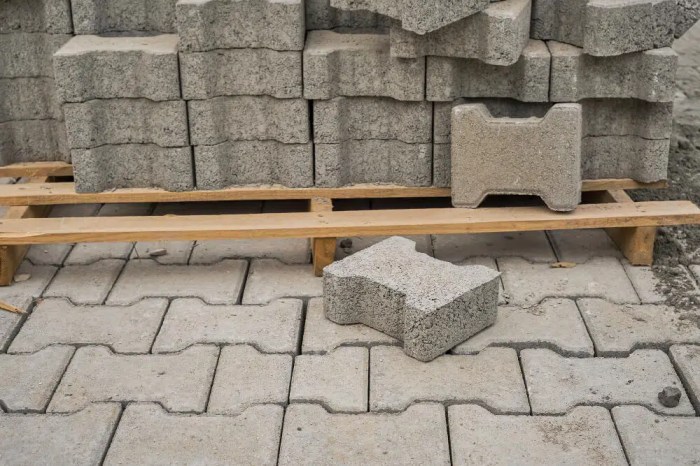
Numerous materials are available for front paver walkways, each with its own characteristics and benefits. Concrete pavers offer a cost-effective solution, while brick pavers provide a classic and durable aesthetic. Natural stone pavers, including slate, granite, and flagstone, offer a luxurious and natural beauty, but may be more expensive and require more specialized installation. The choice of material will depend on the budget, desired aesthetic, and the specific environment of the walkway.
Drainage Considerations
Proper drainage is essential for preventing water damage and maintaining the integrity of a paver walkway. Adequate slope away from the house is critical to ensure water flows away from the structure. Installing a proper drainage system can prevent water pooling and the potential for damage to the walkway. The drainage system should be designed to handle anticipated rainfall and runoff.
Paver Size and Shape
The size and shape of pavers significantly influence the overall appearance and practicality of the walkway. Larger pavers can create a more modern and spacious feel, while smaller pavers can enhance intricate patterns and details. Consider the space available, the overall aesthetic, and the desired level of maintenance when choosing the paver size and shape. For example, large pavers might require more labor for installation, but may reduce the overall number of joints, making maintenance easier.
Color Choices
Color choices in paver walkways can significantly impact the aesthetic appeal and atmosphere of the area. Neutral colors, such as grays and beiges, create a timeless and versatile look. More vibrant colors, such as reds, oranges, and yellows, can add a touch of personality and visual interest. Consider the surrounding landscaping and the architectural style of the home when selecting colors. For example, a warm-toned walkway might complement a traditional-style home, while a modern home might benefit from a more contemporary color scheme.
Installation and Maintenance of Front Paver Walkways
Transforming your front yard with a paver walkway requires careful planning and execution. This section details the steps for a successful installation and the ongoing maintenance needed to ensure its longevity. Proper preparation and the selection of appropriate tools are critical for a smooth process. Addressing potential issues promptly can prevent costly repairs and maintain the aesthetic appeal of your walkway.
Installation Steps, Front paver walkway
Careful preparation is paramount before laying pavers. This includes accurately determining the walkway’s dimensions, creating a level base, and selecting the right paver type for your needs. The base should be compacted firmly to ensure the walkway’s stability and longevity.
Ground Preparation
A solid foundation is crucial for a lasting paver walkway. Excavation should be deep enough to accommodate the base material, typically a mixture of gravel and sand. This layer needs careful leveling to ensure a stable, even surface for the pavers. Compaction is critical to eliminate future settling issues. This process prevents future issues like uneven settling and ensures the walkway’s long-term stability.
Tools and Equipment
The necessary tools and equipment for installing a paver walkway include shovels, rakes, levels, a tamper, and a string line. Specialized tools like a paver breaker or a concrete saw might be needed for specific projects. The choice of tools depends on the scale of the project and the type of pavers used.
Maintenance Tasks
Regular maintenance is key to preserving the beauty and integrity of your paver walkway. The following table lists Artikels’ common maintenance tasks and their recommended frequency:
| Task | Frequency | Description |
|---|---|---|
| Cleaning | As needed | Remove debris and dirt using a broom, leaf blower, or pressure washer (use with caution). |
| Resealing | Annually or as needed | Apply a sealant to prevent moisture damage and enhance the paver’s color and durability. Observe the paver’s condition; if discoloration or moisture is apparent, resealing may be more frequent. |
| Repairing | As needed | Address cracks or damaged pavers by replacing the damaged stones. A professional should handle extensive repairs. |
Common Installation Issues
Uneven surfaces and cracks are common issues during paver walkway installation. Uneven surfaces often result from inadequately compacted base material. Solutions include re-compacting the base or adding more leveling material. Cracks, typically caused by insufficient base support or settling, can be repaired by replacing the damaged pavers and ensuring the base is properly prepared.
Common Maintenance Issues
Improper maintenance can lead to various problems. One example is moisture damage, leading to discoloration and weakening of the pavers. Regular resealing can prevent such issues. Another problem is weed growth between pavers. Regular cleaning and use of weed-preventative solutions are effective in addressing this issue. Addressing these problems promptly helps maintain the walkway’s appearance and lifespan.
Front Paver Walkway Ideas and Inspiration
Enhancing your home’s curb appeal often starts with a well-designed front paver walkway. This pathway is a key element in creating a welcoming and aesthetically pleasing entrance. Beyond functionality, it serves as a visual statement, reflecting your style and preferences. Careful consideration of design elements, including materials, patterns, and landscaping, can transform a simple walkway into a captivating focal point.
This section inspires various front paver walkway designs, encompassing modern, traditional, and integrated landscaping approaches. It details the incorporation of lighting and seating elements to enhance the walkway’s overall appeal and functionality.
Modern Geometric Pattern
A modern walkway often features clean lines and geometric patterns. This approach uses a structured layout with contrasting colors and materials for a bold, contemporary look. For instance, a walkway using square or rectangular pavers in a repeating grid pattern, combined with a contrasting border, can create a striking visual effect. The interplay of light and shadow on the precisely laid pavers adds depth and dimension.
Traditional Brick Style
Traditional brick-style walkways evoke a classic, timeless charm. The warm tones and textured surface of brick pavers offer a cozy and inviting atmosphere. A herringbone pattern, or a simple running bond, can add visual interest and a sense of history. Consider using varying shades of brick to create subtle depth and character in the design. A classic example would incorporate muted terracotta tones with natural stone accents.
Walkways with Lighting
Integrating lighting into a paver walkway significantly enhances its visual appeal and safety, especially at night. Path lighting, strategically placed, can illuminate the walkway, highlighting its design features. Recessed LED lighting integrated into the pavers, or small, well-placed spotlights, can accentuate the walkway’s geometric patterns or architectural details. Consider using warm-toned lighting to create a welcoming and cozy atmosphere. For example, subtle LED strips beneath the pavers, combined with strategically placed outdoor lanterns, can create a sophisticated and well-lit pathway.
Landscaping Integration
Landscaping elements can significantly enhance the aesthetic appeal of a front paver walkway. Consider incorporating low-maintenance ground cover, flowering shrubs, or carefully pruned trees along the walkway’s edges. This creates a unified and cohesive landscape design. Plantings should complement the walkway’s design, maintaining balance and harmony. For example, strategically placed evergreen shrubs can add structure and year-round visual interest.
Seating and Planters
Incorporating seating areas or planters into a front paver walkway creates an inviting space for relaxation and enhances visual interest. Benches or small seating areas constructed from the same paver material can complement the walkway’s design. Consider placing planters along the walkway to add pops of color and greenery. A small, raised planter filled with vibrant flowers can act as a focal point, drawing attention to the walkway’s design.
Image Descriptions
Image 1
A modern walkway features a repeating pattern of dark gray and light gray rectangular pavers arranged in a precise grid. The edges are defined by a narrow border of a contrasting, warm beige color. Low-growing, dark green ground cover fills the spaces between the pavers, providing a unified and cohesive look. The overall effect is clean, contemporary, and sophisticated.
Image 2
A traditional walkway showcases a herringbone pattern of reddish-brown brick pavers. The warm tones of the brick create a welcoming and inviting atmosphere. A low wall of the same brick material flanks the walkway, adding structure and visual interest. The walkway is bordered by low-growing, green shrubs, which add depth and visual interest to the design.
Image 3
A walkway with integrated lighting features pavers in a light gray tone. Recessed LED lighting is incorporated into the pavers, illuminating the walkway at night. The walkway leads to a small, well-maintained lawn. Strategic placement of small, outdoor, warm-toned spotlights enhances the walkway’s visual appeal.
Conclusion
In conclusion, crafting a beautiful and functional front paver walkway requires careful consideration of design elements, material selection, and proper installation. This guide has highlighted the key aspects of planning, executing, and maintaining a stunning walkway. By understanding the pros and cons of various materials, the importance of drainage, and the steps in installation, you can confidently create a walkway that enhances your home’s aesthetic appeal and adds value. Remember, a well-designed and maintained paver walkway will serve as a welcoming entryway for years to come.