Cost to Install Sidewalk A Comprehensive Guide
The cost to install a sidewalk varies significantly depending on several factors. Understanding these factors is crucial for homeowners and contractors alike. From material choices to labor rates and regional differences, this guide dives deep into the intricacies of sidewalk installation costs, offering practical insights and actionable strategies for budget management.
This overview explores the key variables impacting sidewalk installation costs, from the type of material used (concrete, pavers, brick) to the project’s size and location. We’ll provide a step-by-step estimation process, discuss cost-saving strategies, and offer real-world examples to help you make informed decisions.
Factors Influencing Sidewalk Installation Costs: Cost To Install Sidewalk

Source: infraon.io
Sidewalk installation projects are significantly influenced by various factors, from the chosen materials to labor costs and regional differences. Understanding these variables is crucial for accurate budgeting and project planning. This analysis delves into the key determinants of sidewalk installation expenses.
A multitude of factors contribute to the overall cost of a sidewalk project. These include the specific materials used, the labor rates in the area, the geographic location, and the project’s scale. Accurate cost estimations are essential for successful project management and to ensure realistic budget planning.
Material Types and Their Costs
Different sidewalk materials, each with its characteristics and production costs, impact the final installation price. Concrete, pavers, and brick are common choices, each possessing distinct advantages and disadvantages. Concrete is a cost-effective option, but pavers and brick offer aesthetic appeal and potential for durability. Variations in material quality and production methods can lead to considerable price differences.
Labor Rates and Geographic Location
Labor costs play a significant role in sidewalk installation. These costs are influenced by local economic conditions, labor market dynamics, and the demand for skilled labor in the construction sector. For instance, labor rates in densely populated urban areas tend to be higher than in rural areas. Furthermore, geographic location can affect material costs due to transportation and supply chain factors. A remote area might face higher material costs than a location with readily available supplies.
Project Size and Complexity, Cost to install sidewalk
Project size, including length, width, and complexity, significantly impacts the total installation cost. A longer sidewalk naturally requires more materials and labor, thus increasing expenses. The complexity of the project, such as the presence of curves, intersections, or intricate designs, also adds to the overall cost. This can be exemplified by a project requiring specialized equipment or labor for installation.
Comparative Cost Analysis of Different Materials
| City | Concrete (per square foot) | Brick (per square foot) | Pavers (per square foot) |
|---|---|---|---|
| New York City, NY | $10-$15 | $15-$25 | $18-$30 |
| Phoenix, AZ | $8-$12 | $12-$20 | $15-$25 |
| Seattle, WA | $12-$18 | $18-$28 | $20-$35 |
This table presents estimated costs for a 10-foot-wide sidewalk using concrete, brick, and pavers in three different US cities. The figures are approximations and can vary based on specific project requirements, such as the need for specialized reinforcement or additional features. These costs are representative of a typical project and can vary based on the complexity of the project and any additional features.
Estimating Sidewalk Installation Costs
Accurately estimating sidewalk installation costs is crucial for project planning and budgeting. Understanding the factors that influence cost, such as material selection and labor rates, is essential for a realistic and comprehensive estimate. This process involves a detailed assessment of the project scope, including measurements, material specifications, and labor requirements.
A thorough cost estimation ensures that the project remains within budget, avoiding unforeseen financial issues. This approach helps maintain transparency and accountability throughout the project lifecycle.
Step-by-Step Guide for Estimating Sidewalk Costs
A precise cost estimate for sidewalk installation requires a systematic approach. This involves gathering specific information, carefully calculating material and labor costs, and considering potential contingencies.
- Project Site Assessment: Begin by measuring the length and width of the sidewalk area. Note any significant obstacles, like existing utilities or uneven terrain, that might impact the installation process. Accurate measurements are vital for calculating material quantities. The complexity of the terrain influences the level of difficulty for installation, which can impact labor time and costs.
- Material Selection: Choose the type of concrete, including its thickness and reinforcement, and any required edging or curb. Consider factors like durability, aesthetic appeal, and cost-effectiveness. The material type directly affects the total project cost.
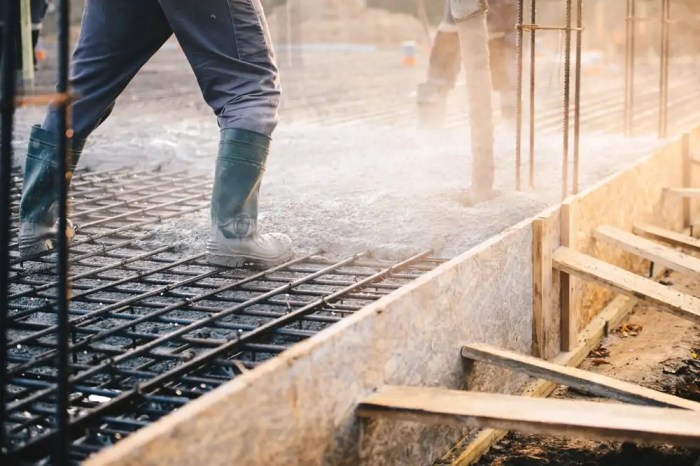
- Labor Requirements: Determine the tasks involved in the installation, including excavation, concrete pouring, finishing, and edging. A breakdown of the labor tasks, along with the estimated hours required for each task, will help calculate the labor cost component of the project. This is influenced by factors like the size and complexity of the project and the availability of skilled labor in the area.
- Cost Calculation: Combine the material costs with the labor costs, considering any permits or fees associated with the project. Include a contingency factor for unexpected issues that might arise during installation. The contingency factor is usually a percentage of the total estimated cost, aiming to cover potential cost overruns.
Material Specifications and Cost Breakdown
Material costs vary based on the type of concrete, aggregate, and reinforcement used. A detailed breakdown of materials and their associated costs is crucial for a comprehensive estimate.
- Concrete Type: Different concrete types (e.g., standard, high-strength) will affect the cost. Standard concrete is often the most cost-effective option, but high-strength concrete may be necessary for high-traffic areas or specific structural requirements. The choice of concrete type should be based on the intended use and anticipated loads.
- Aggregate: The type and quality of aggregate impact the cost and strength of the concrete mix. Different aggregate types can lead to variations in the overall cost.
- Reinforcement: Reinforcement bars, or rebar, are used to increase the concrete’s tensile strength. The amount of rebar needed depends on the sidewalk’s length and width, along with the anticipated stress on the structure. Rebar costs add to the overall project budget.
Labor Cost Breakdown
Accurate estimations of labor costs are vital for a realistic budget. The hourly rates for different labor tasks can be used to calculate total labor costs.
| Labor Type | Typical Hourly Rate (USD) |
|---|---|
| Project Management | 50-150 |
| Excavation | 25-50 |
| Concrete Pouring | 30-60 |
| Finishing | 20-40 |
Hourly rates can vary based on location, experience, and specific skillsets.
Example Cost Breakdown
A 100-foot-long sidewalk project, using standard concrete, requires 10 cubic yards of concrete. Labor for excavation, pouring, and finishing would require 20 hours. Material costs are approximately $1,000. Labor costs, based on average rates, would be approximately $500. Contingency is 10% of the total.
Cost-Saving Strategies for Sidewalk Installation
Implementing a sidewalk project efficiently often hinges on strategic cost-saving measures. These methods ensure the project remains within budget while maintaining the desired quality and durability of the finished product. By carefully considering material choices, labor management, and project planning, substantial cost reductions are achievable without sacrificing the integrity of the installation.
A well-planned approach to sidewalk installation can lead to significant savings, allowing for a higher return on investment and a more cost-effective solution. This is particularly important in today’s economic climate, where projects must be managed prudently. Careful consideration of these cost-saving strategies is crucial for the success of any sidewalk project.
Material Selection for Cost Savings
Choosing materials with a lower cost per unit can substantially affect the overall project budget. Evaluating various materials, such as different types of concrete, pavers, or even recycled materials, is key. For example, utilizing concrete with a lower cement content or opting for recycled aggregates in the mix can decrease costs without sacrificing structural integrity. Assessing the long-term performance of each material is essential to ensure a durable and reliable final product.
Labor Management Strategies
Effective labor management plays a vital role in reducing installation costs. Employing pre-construction planning, clear communication, and efficient scheduling can minimize delays and unnecessary expenses. Contracting tasks where appropriate, such as specific aspects of excavation or formwork, can also be a viable option to decrease labor costs while ensuring the project is completed to the required standard. Utilizing pre-cast concrete sections or modular paving systems can significantly streamline the installation process, potentially reducing labor hours.
Project Planning and Alternative Construction Methods
A comprehensive project plan can significantly impact installation costs. This includes meticulous site assessments, precise material ordering, and effective scheduling. These measures help anticipate potential problems and streamline the workflow. Consideration of alternative construction methods, such as pre-cast concrete sections or modular paving systems, offers an alternative that might prove more cost-effective, particularly for projects involving a large area or complex design elements. The use of pre-cast concrete segments, for example, can speed up the installation process by eliminating on-site concrete mixing and pouring.
Estimating Costs of Alternative Methods
Estimating the cost of alternative construction methods, such as using pre-cast concrete sections or modular paving systems, requires detailed cost analysis. Factors such as material costs, installation labor, and project complexity need to be meticulously considered. In cases where pre-cast sections are used, the reduced labor time can offset any added cost of the pre-fabricated material. The use of modular paving systems, with their standardized design and pre-assembled components, can simplify the installation process, potentially leading to significant cost savings.
Summary of Potential Cost Savings
| Installation Method | Potential Cost Savings (estimated) |
|---|---|
| Traditional Concrete Installation | Low to moderate savings |
| Pre-cast Concrete Sections | Moderate to high savings, depending on project complexity |
| Modular Paving Systems | High savings due to reduced labor and streamlined installation |
Note: Estimated savings are dependent on specific project requirements, material costs, labor rates, and geographic location.
Wrap-Up
In conclusion, calculating the cost to install a sidewalk involves careful consideration of various elements. Understanding material costs, labor rates, and regional variations is essential. This guide has provided a framework for estimating costs and identifying potential savings. By considering these factors and implementing the cost-saving strategies Artikeld, you can effectively manage your sidewalk installation budget and achieve a successful project.