Concrete Walkway Contractors Expert Guidance
Concrete walkway contractors play a crucial role in transforming outdoor spaces. From residential driveways to commercial patios and pedestrian walkways, these professionals ensure the quality and longevity of these essential structures. Understanding the intricacies of project scope, contractor selection, materials, and techniques is key to a successful outcome. This guide provides a comprehensive overview, covering everything from initial design to final project completion.
This exploration delves into the world of concrete walkway construction, encompassing project design considerations, contractor selection strategies, and material choices. We’ll analyze various project types, examine cost estimations, and discuss best practices for managing these projects. Furthermore, we’ll highlight the importance of proper materials, techniques, and maintenance for long-term durability.
Project Scope and Design
Concrete walkway projects encompass a wide range of applications, from enhancing residential properties to improving public spaces. Proper planning and execution are critical for achieving a durable and aesthetically pleasing result. This section details the key aspects of project scope and design, including common project types, design considerations, and cost estimations.
The successful design of a concrete walkway project relies on a thorough understanding of the project’s specific needs, site conditions, and desired aesthetic. This involves careful consideration of materials, construction methods, and budget constraints to ensure the project aligns with the client’s vision and the local building codes.
Common Concrete Walkway Projects
Residential driveways, commercial patios, and pedestrian walkways represent common concrete projects. Residential driveways often range from 10 to 20 feet in width and 10 to 15 feet in length, depending on the property’s layout and vehicle requirements. They are typically reinforced with steel rebar to withstand vehicle traffic and stress. Commercial patios, on the other hand, can vary significantly in size, from small outdoor seating areas to expansive dining spaces. Their design must account for the intended use, such as seating arrangements, tables, and potential traffic flow. Pedestrian walkways, designed for foot traffic, usually involve a minimum width of 3 feet for comfortable movement.
Design Styles for Concrete Walkways
Diverse design styles can enhance the visual appeal of concrete walkways. Geometric patterns, achieved through careful formwork and placement of concrete, can create a structured and visually engaging pathway. Textured surfaces, like imprinted patterns or aggregate additions, offer a variety of tactile experiences and aesthetic options. Landscaping elements can be integrated seamlessly into the design. For instance, planting flowerbeds along the edges or incorporating decorative pavers can enhance the overall aesthetic.
Site Assessments and Planning
Proper site assessments are essential for successful concrete walkway projects. Drainage considerations, including proper grading and runoff channels, are critical to prevent water damage and structural issues. Soil conditions significantly impact the stability and longevity of the walkway. A geotechnical assessment may be necessary to determine the soil’s bearing capacity and stability. Accessibility standards, such as ramps and curb cuts, must be meticulously planned to ensure compliance with local regulations and meet the needs of all users.
Designing a Concrete Walkway Project
The design process for a concrete walkway project typically involves several key steps. Initial consultation with the client helps establish project goals, budget, and aesthetic preferences. Site surveys and assessments provide critical data about the property, including drainage patterns, soil conditions, and existing infrastructure. Detailed design drawings and specifications Artikel the walkway’s dimensions, materials, reinforcement, and construction methods. Construction permits are obtained to ensure compliance with local regulations. The final project approval process verifies that the completed project meets the design specifications and local codes.
Cost Estimations for Concrete Walkway Projects
| Project Type | Material Costs (Estimated) | Labor Costs (Estimated) | Expected Project Duration (Days) |
|---|---|---|---|
| Residential Driveway (15×20 ft) | $2,000 – $4,000 | $2,500 – $5,000 | 3-5 |
| Commercial Patio (20×30 ft) | $5,000 – $10,000 | $4,000 – $8,000 | 5-7 |
| Pedestrian Walkway (100 ft, 4 ft wide) | $1,500 – $3,000 | $1,500 – $3,000 | 2-4 |
Note: These cost estimations are approximate and can vary significantly based on factors such as material choices, labor rates, project complexity, and geographic location. Detailed cost breakdowns should be provided in a separate proposal.
Contractor Selection and Management
Selecting the right concrete walkway contractor is crucial for a successful project. Careful consideration of various factors, from business models to project management, ensures the walkway meets expectations and stays within budget. A well-managed project also mitigates potential issues, leading to a smooth and satisfying outcome.
Effective contractor selection and management involve understanding different business models, evaluating contractor qualifications, establishing clear communication channels, and proactively addressing potential problems. This approach minimizes risks and maximizes the likelihood of a positive experience.
Contractor Business Models and Pricing
Concrete walkway contractors operate under diverse business models, impacting their service offerings and pricing structures. Some contractors specialize in smaller projects, offering a tailored approach with potentially higher hourly rates. Larger firms, on the other hand, might offer more comprehensive packages with fixed-price contracts, often advantageous for larger projects or those requiring specialized equipment. Understanding the contractor’s model and pricing structure is essential for aligning expectations. Pricing can vary based on factors such as material costs, labor rates, project scope, and geographic location.
Key Factors in Contractor Selection
Choosing the right contractor hinges on several key factors. Experience, demonstrable through completed projects and references, is paramount. Licensing ensures adherence to local regulations, while insurance protects both the contractor and the client in case of accidents or damages. A contractor’s reputation, often reflected in online reviews and testimonials, provides valuable insight into their reliability and quality of work.
Project Management Best Practices
Effective project management is crucial for a successful outcome. Clear communication protocols, including regular meetings and documented agreements, prevent misunderstandings. Progress tracking, using visual aids or project management software, allows for real-time monitoring of the project’s status. Establishing a clear dispute resolution process early on helps manage any potential conflicts constructively.
Essential Questions for Potential Contractors
| Question Category | Specific Questions |
|---|---|
| Experience | “What is your experience with similar concrete walkway projects?” “Can you provide references from previous clients?” “What is your experience with [specific material, e.g., colored concrete]?” |
| Project Timeline | “What is your estimated project timeline?” “How will you manage potential delays?” “What are your contingency plans for unforeseen circumstances?” |
| Insurance and Licensing | “What is your current insurance coverage?” “Can you provide proof of liability insurance and workers’ compensation insurance?” “Can you provide proof of necessary licenses?” |
| Pricing and Payment | “Can you provide a detailed breakdown of your pricing structure?” “What is your payment schedule?” “Are there any hidden fees or costs?” |
Potential Project Problems and Solutions
Several potential issues can arise during a concrete walkway project. Weather delays can affect curing times and material handling. Material shortages can lead to project delays. Discrepancies in design or specifications might necessitate adjustments. Addressing these issues proactively with contingency plans, effective communication, and flexible approaches can mitigate project risks.
- Weather-related delays: Have a backup plan for inclement weather, potentially delay the project or require implementing temporary solutions to safeguard materials and maintain worker safety.
- Material shortages: Establish relationships with multiple suppliers and maintain a buffer stock of materials to minimize disruptions.
- Design/specification issues: Have clear communication channels to promptly address discrepancies and incorporate necessary revisions.
- Budget overruns: Establish a clear budget, monitor costs, and promptly address any deviations from the approved budget. Factor in contingency funds for unforeseen circumstances.
Materials and Techniques
Concrete walkway construction relies heavily on carefully chosen materials and precise execution of techniques. Proper material selection and application methods directly impact the walkway’s durability, aesthetic appeal, and overall lifespan. A thorough understanding of these aspects is critical for successful project completion.
This section details the key materials, techniques, and considerations for building durable and attractive concrete walkways. From concrete types and reinforcement to finishing methods and environmental concerns, each element plays a vital role in achieving the desired outcome.
Common Concrete Types
Concrete walkways utilize various concrete types, each tailored to specific needs and project requirements. Portland cement concrete is the most prevalent choice due to its strength, cost-effectiveness, and wide availability. Other types, such as high-performance concrete, are used when enhanced durability, resistance to chemicals, or specific aesthetic qualities are required. Different concrete mixes are available to accommodate diverse needs, such as frost resistance or resistance to sulfates.
Reinforcement Materials
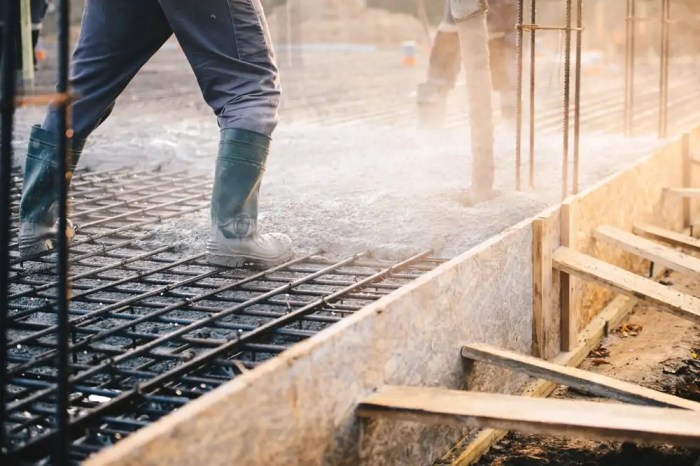
Reinforcement is crucial for enhancing the walkway’s structural integrity. Steel reinforcing bars, commonly known as rebar, are a standard choice. They distribute tensile stresses across the concrete, preventing cracking and ensuring longevity. The size and spacing of rebar depend on the anticipated load and the dimensions of the walkway. Other reinforcement options, such as fiberglass or polymer-based materials, are emerging as viable alternatives in certain situations.
Admixtures for Concrete
Admixtures are chemical substances added to concrete to modify its properties. These additives can enhance workability, increase strength, reduce shrinkage, or accelerate curing times. Common admixtures include plasticizers, air-entraining agents, and water reducers. Proper selection and dosage of admixtures are critical to achieving the desired concrete properties.
Concrete Pouring and Finishing Techniques
The process of pouring and finishing concrete significantly impacts the walkway’s final appearance and durability. Concrete should be poured in controlled layers, ensuring proper consolidation and avoiding voids. Vibrating tools compact the concrete, eliminating air pockets and promoting uniform density. Various finishing techniques, such as troweling, floating, and brooming, produce different surface textures.
Textured and Decorative Surfaces
Various techniques create textured surfaces and decorative patterns in concrete walkways. Stamping, texturing with specialized tools, and using molds or forms can produce diverse patterns. These methods add aesthetic appeal and visual interest to the walkway. Careful planning and execution of these techniques are essential to achieve a uniform and aesthetically pleasing result.
Concrete Finishing Tools
A range of tools is used for concrete finishing. Trowels, floats, and brushes are essential for smoothing and texturing the surface. Specialized tools, such as screeds and edgers, ensure precise edges and straight lines. The choice of tools depends on the desired finish and the complexity of the project.
Curing and Maintenance
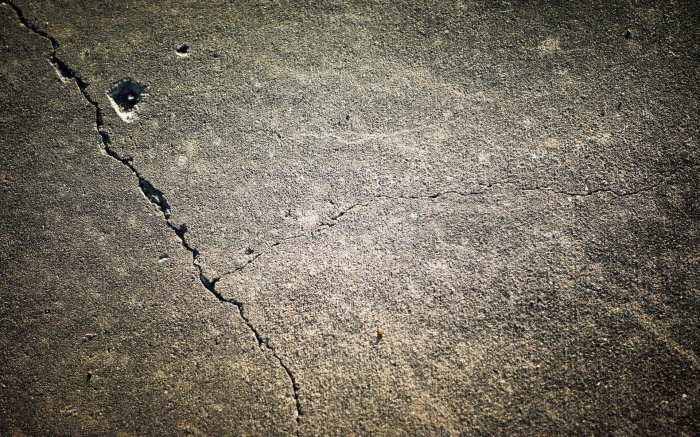
Proper curing is crucial for achieving the concrete’s full strength and durability. Curing involves maintaining a moist environment around the concrete for several days after pouring. This process allows the concrete to hydrate and develop its full strength. Proper maintenance practices, such as sealing the surface and addressing any cracks promptly, extend the walkway’s lifespan. Protecting the concrete from freeze-thaw cycles is also essential.
Environmentally Friendly Concrete Options, Concrete walkway contractors
Environmentally conscious options include utilizing recycled materials in concrete mixes. This approach reduces the demand for virgin aggregates and minimizes environmental impact. Alternative cementitious materials, like fly ash or slag cement, can reduce the carbon footprint associated with traditional Portland cement. These sustainable choices contribute to a more environmentally responsible construction process.
Final Summary: Concrete Walkway Contractors
Source: wonderfulengineering.com
In conclusion, navigating the world of concrete walkway projects requires careful planning and informed decision-making. Choosing the right contractor, understanding the project scope, and selecting appropriate materials are critical steps. By adhering to best practices and anticipating potential challenges, homeowners and businesses can confidently embark on a concrete walkway project. Ultimately, the result is a durable and aesthetically pleasing addition to any property, enhancing both functionality and curb appeal.