Paver Walkways and Patios Design & Care
Paver walkways and patios offer a versatile and attractive way to enhance outdoor living spaces. From classic brick to modern composite materials, the options for creating stunning, durable surfaces are vast. This guide explores the materials, design considerations, and essential maintenance steps required to construct and maintain these beautiful additions to any home.
We’ll explore various paving materials, contrasting their durability and aesthetic appeal. Different design styles, from traditional to contemporary, will be showcased, along with practical layout patterns. Finally, a comprehensive maintenance checklist will ensure your paver walkways and patios remain stunning for years to come.
Materials and Construction
Source: tusseylandscaping.com
Selecting the right paving materials and installation methods is essential for creating durable and visually appealing walkways and patios. Careful consideration of factors like budget, desired aesthetics, and long-term maintenance needs is essential for a successful project. Proper planning and execution are key to ensuring the longevity and visual appeal of these outdoor spaces.
Different paving materials offer varying degrees of durability, aesthetic appeal, and maintenance requirements. The selection process should consider the specific needs of the project, such as the anticipated foot traffic, environmental conditions, and the desired aesthetic impact. Installation methods, joint types, and grouting also significantly affect the overall performance and appearance of the finished project.
Paving Materials
Various materials are suitable for walkways and patios, each with unique characteristics. Concrete, brick, stone, pavers, and composite materials are common choices. Understanding their properties is essential for making informed decisions.
- Concrete offers a versatile and relatively affordable option. It can be molded into various shapes and colors, allowing for customization. However, concrete’s strength and durability are highly dependent on the quality of the mix and curing process. It requires regular sealing to prevent staining and cracking. Concrete’s maintenance involves cleaning and occasional sealing to maintain its aesthetic appeal and longevity.
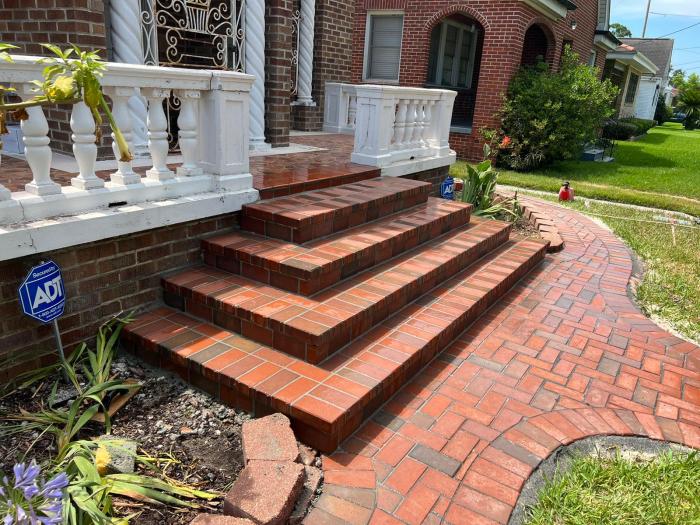
- Brick walkways and patios provide a classic and enduring aesthetic. Their distinct texture and rich colors contribute to a traditional ambiance. Brick is generally durable, but frost damage can be a concern in areas with harsh winters. Cleaning and occasional repointing are typical maintenance tasks.
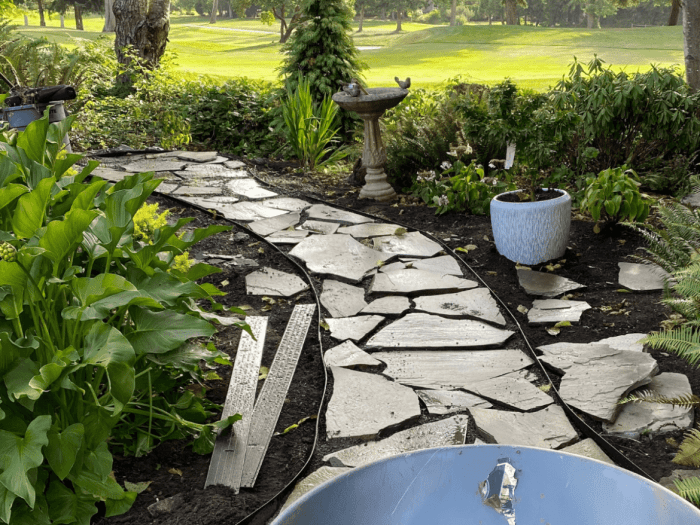
- Stone, including natural stone and flagstone, offers a natural, elegant look. Its varied colors and textures contribute to a unique character. Natural stone is highly durable and requires minimal maintenance, although its cost can be higher than other options. Stone requires careful installation to prevent cracking or shifting.
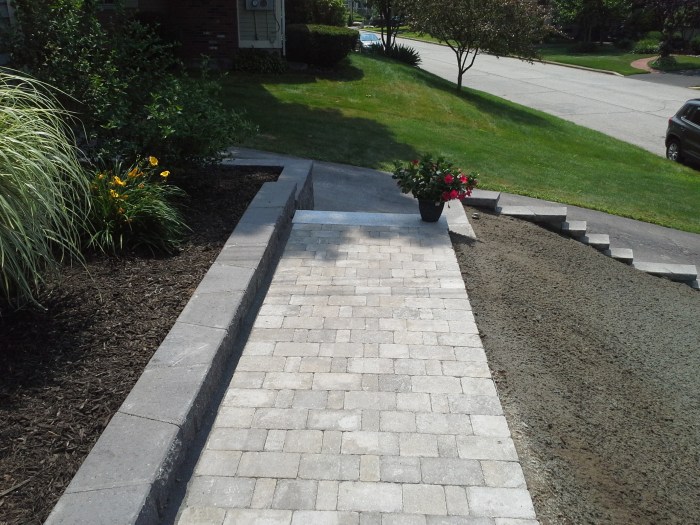
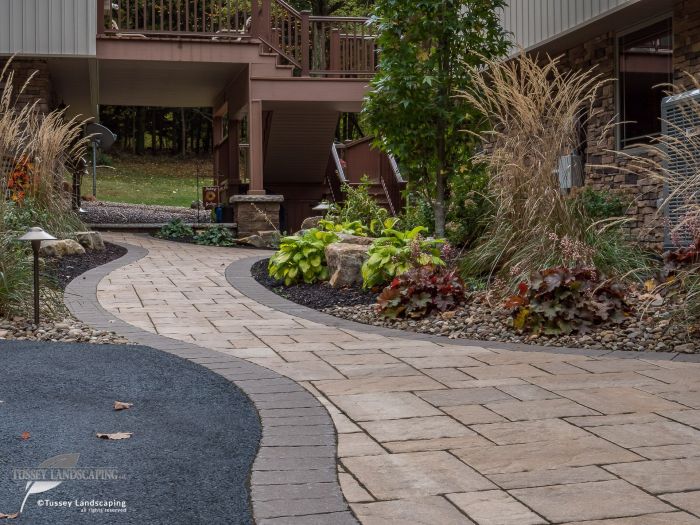
- Pavers, often made from concrete, brick, or stone, are modular paving units that offer flexibility in design and color. They are relatively easy to install and maintain. Pavers are available in various sizes, shapes, and colors, allowing for a wide range of aesthetic possibilities. Proper installation is critical for preventing uneven settling or shifting.
- Composite materials, often a blend of polymers and aggregates, are becoming increasingly popular for their durability and low-maintenance characteristics. These materials often mimic the appearance of natural stone or brick but offer superior resistance to weather and cracking. Their cost is typically higher than other options.
Installation Methods
Proper installation is critical for the longevity and appearance of paver walkways and patios. The steps involved in the installation process vary based on the chosen material.
- Excavation is the first step, involving careful removal of the existing soil to create a level base. The depth of excavation depends on the type of base material and the chosen installation method. Precise excavation ensures the base is level and stable, preventing uneven settling or shifting.
- Base Preparation involves creating a suitable foundation for the pavers. This often involves compacting gravel, sand, or crushed stone to achieve a stable and level base. A well-prepared base distributes weight evenly and prevents the pavers from shifting or cracking over time.
- Paver Placement follows a systematic approach, aligning pavers according to the design. Careful alignment and spacing are crucial for creating a visually appealing and functional walkway or patio. Precise placement ensures the pavers interlock securely and distribute weight evenly.
Joints and Grouting
Properly designed joints and grouting are vital for the overall appearance and longevity of paver installations.
- Joint types determine the spacing between pavers and affect the overall aesthetic. Various joint sizes and shapes are available, each contributing to a unique look. Proper joint design allows for expansion and contraction of the pavers, preventing cracking or damage.
- Grouting fills the joints between pavers, creating a cohesive surface and enhancing the aesthetic appeal. Different types of grout, such as sand, polymeric, or cement-based, offer varying levels of durability and aesthetics. The selection of appropriate grout is crucial for achieving a visually appealing and durable surface.
Comparison Table
| Material | Cost | Aesthetic Appeal | Durability | Maintenance |
|---|---|---|---|---|
| Concrete | Low | Versatile | Moderate | Moderate |
| Brick | Moderate | Classic | High | Low |
| Stone | High | Natural | High | Low |
| Pavers | Moderate | Flexible | High | Moderate |
| Composite | High | Versatile | High | Low |
Design and Aesthetics
Paver walkways and patios offer a significant opportunity to enhance the aesthetic appeal and functionality of outdoor spaces. Careful consideration of design elements, from style to layout, directly impacts the overall user experience and the property’s value. This section explores various design styles, crucial factors, and layout patterns to create beautiful and practical paving solutions.
Design styles in paving reflect broader architectural trends. Modern designs often feature clean lines, minimalist aesthetics, and neutral color palettes, while traditional styles might incorporate patterned designs and more ornate features. Rustic styles evoke a sense of nature with natural stone or wood-like pavers, and contemporary styles often combine elements of modern and traditional design to create a unique aesthetic.
Design Styles for Paver Walkways and Patios
Different architectural settings lend themselves to various paving styles. A modern home might benefit from a minimalist, geometric paver walkway, while a more traditional home could showcase a patterned, brick-style patio. Rustic styles work well with homes situated in natural landscapes, integrating seamlessly with the surroundings. Contemporary styles offer versatility, adapting to various architectural designs with a touch of elegance.
Factors to Consider in Design
Accessibility, safety, and flow are paramount when designing paver walkways and patios. Walkways should be wide enough for comfortable pedestrian traffic and have appropriate slopes to prevent water accumulation and tripping hazards. Using contrasting colors for edges or transitions can improve visibility and safety. Flow refers to the seamless transition between different areas, such as the patio to the lawn. Good flow enhances the overall aesthetic appeal.
Layout Patterns
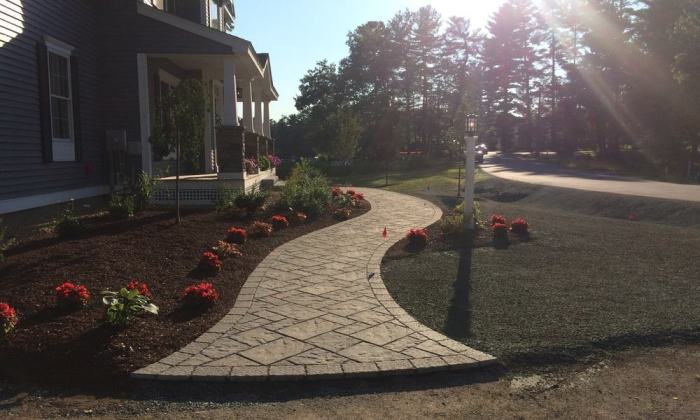
Layout patterns significantly influence the visual impact of a paver walkway or patio. Straight lines offer a clean, classic look. Curved walkways can introduce a sense of dynamism and grace. Geometric patterns, such as squares, hexagons, or triangles, add a touch of formality and sophistication. The choice of pattern should complement the overall architectural style and desired ambiance.
Design Examples
| Design Idea | Colors | Textures | Patterns | Description |
|---|---|---|---|---|
| Modern Minimalist | Gray, white, charcoal | Smooth, uniform | Straight lines, simple shapes | A clean and sophisticated walkway with a smooth, uniform texture, using a combination of gray and white pavers in straight lines, creating a minimalist feel. |
| Traditional Brick | Red, brown, beige | Rough, textured | Brick-style pattern | A classic walkway using red, brown, or beige brick-style pavers arranged in a traditional pattern, providing a warm and inviting ambiance. |
| Rustic Natural Stone | Brown, gray, beige | Natural, uneven | Random arrangement | A pathway featuring natural stone pavers in various shades of brown, gray, and beige, with an uneven texture and a random arrangement, creating a rustic and earthy feel. |
| Contemporary Geometric | Black, gray, cream | Smooth, polished | Hexagons, triangles | A modern patio with black, gray, and cream pavers arranged in geometric patterns like hexagons or triangles, enhancing the contemporary design. |
Maintenance and Considerations: Paver Walkways And Patios
Proper maintenance is crucial for preserving the beauty and longevity of paver walkways and patios. Regular upkeep not only enhances their aesthetic appeal but also extends their lifespan, minimizing costly repairs and ensuring a safe and enjoyable outdoor space. This section details various maintenance procedures, crucial factors to consider during installation, and common issues to address.
Maintenance Procedures
Regular cleaning, sealing, and repair are essential for maintaining paver surfaces. Consistent maintenance prevents the accumulation of dirt, grime, and debris, which can dull the appearance and lead to premature deterioration. Addressing issues promptly can also help avoid more extensive and expensive repairs down the road.
- Cleaning: Regular sweeping and hosing down the pavers are effective for removing loose debris. For tougher stains or accumulated dirt, consider using a mild detergent solution, ensuring it is non-acidic to avoid damaging the pavers. A soft-bristled brush can help dislodge embedded dirt. Avoid using harsh chemicals or abrasive cleaners, as these can etch or damage the surface.
- Sealing: Applying a sealant to pavers helps protect them from moisture penetration, which can cause deterioration, stains, and mold growth. Choosing the appropriate sealant for the type of paver material is essential for optimal performance. Sealants should be applied periodically, typically annually or as needed, based on environmental conditions. Following the manufacturer’s instructions is crucial for proper application and longevity.
- Repair Techniques: Addressing cracks or damaged areas promptly is vital to prevent further deterioration. Small cracks can be filled with a suitable patching compound, while larger cracks may require replacing the affected pavers. Properly identifying the cause of the damage is essential for effective repair. This often involves examining the installation, identifying stress points, and assessing the ground stability.
Climate Considerations, Paver walkways and patios
The climate significantly influences the selection and installation of pavers. Factors such as freeze-thaw cycles, high winds, and heavy rainfall affect the durability and longevity of the paved surface. Understanding these factors is crucial for selecting suitable materials and ensuring proper installation.
- Frost Heave: In regions prone to freezing temperatures, pavers must be installed on a well-drained base to prevent frost heave. This involves proper compaction of the base materials to minimize the risk of uplift and cracking during freeze-thaw cycles. Using frost-resistant paver materials and proper installation techniques is vital.
- Extreme Temperatures: High temperatures can cause expansion and cracking in certain paver materials. Using materials with high thermal stability is crucial. Ensuring proper spacing between pavers is important to allow for expansion and contraction. The selection of materials with appropriate thermal expansion coefficients should be considered.
- Heavy Rainfall: Regions with heavy rainfall need pavers that can withstand water saturation. Materials with good water absorption characteristics or proper drainage systems around the patio are essential to avoid damage. Proper grading and drainage are essential to direct water away from the pavers.
Common Problems and Solutions
Several issues can arise with paver walkways and patios, including cracks, uneven surfaces, and weed growth. Addressing these problems promptly prevents further damage and maintains the aesthetic appeal.
- Cracks: Cracks in pavers can be caused by inadequate installation, ground movement, or freeze-thaw cycles. Proper installation techniques and regular inspection are essential to identify and address cracks early. Using appropriate patching materials and repair techniques can effectively restore the integrity of the surface.
- Uneven Surfaces: Uneven surfaces can result from improper base preparation or settlement. Leveling the surface with appropriate materials is essential to ensure a smooth and even walkway or patio. Regular inspection and prompt addressing of unevenness prevent tripping hazards and maintain the aesthetic appeal.
- Weed Growth: Weed growth between pavers can be a recurring issue. Applying a weed barrier or using herbicides specifically formulated for paver surfaces is necessary. Ensuring adequate drainage and preventing moisture buildup can also help control weed growth. Careful selection of pavers that have a slightly rough texture can help deter weed growth.
Maintenance Checklist
Regular maintenance ensures the longevity and beauty of paver surfaces. This checklist articulates essential tasks, frequencies, and required tools.
| Task | Frequency | Required Tools |
|---|---|---|
| Sweep/Hose down | Weekly | Broom, Hose, Mild Detergent (optional) |
| Inspect for cracks/damage | Monthly | Visual Inspection |
| Sealant Application | Annually/As needed | Sealant, Brush, Application tools |
| Weed Control | As needed | Weed barrier, Herbicide (if needed) |
Concluding Remarks
In conclusion, building and maintaining paver walkways and patios is a rewarding project. Choosing the right materials, designing functional spaces, and establishing a consistent maintenance routine are key to achieving long-lasting beauty and enjoyment. This guide provides a solid foundation for anyone looking to create a stunning and durable outdoor space using pavers.