Walkway Installation Near Me Your Guide
Walkway installation near me is a significant home improvement project. Choosing the right materials, style, and installer can significantly impact your property’s aesthetics and functionality. This guide explores various aspects, from selecting suitable materials and designs to finding reliable contractors and ensuring proper installation.
We’ll delve into crucial considerations like drainage, safety, and accessibility, helping you make informed decisions. This comprehensive resource covers everything from initial planning to project completion, empowering you to create a beautiful and practical walkway that enhances your outdoor space.
Local Walkway Installation Services
Walkway installations are a significant enhancement to any property, improving aesthetics and functionality. Proper planning and execution are crucial for a successful project. This section details various aspects of walkway installations, from material selection to design considerations and cost estimations.
Common Walkway Installation Materials
Choosing the right material for your walkway is essential for durability, aesthetics, and long-term maintenance. Different materials offer unique advantages and disadvantages.
- Concrete: Concrete walkways are a popular choice due to their strength and affordability. They are relatively low-maintenance and can last for decades with proper sealing. However, they can be susceptible to cracking if not properly reinforced or if the weather conditions are extreme. Concrete walkways also require more specialized installation expertise.
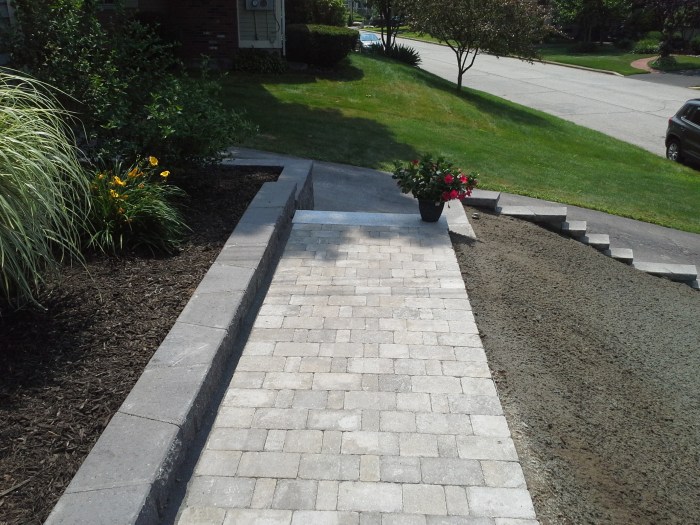
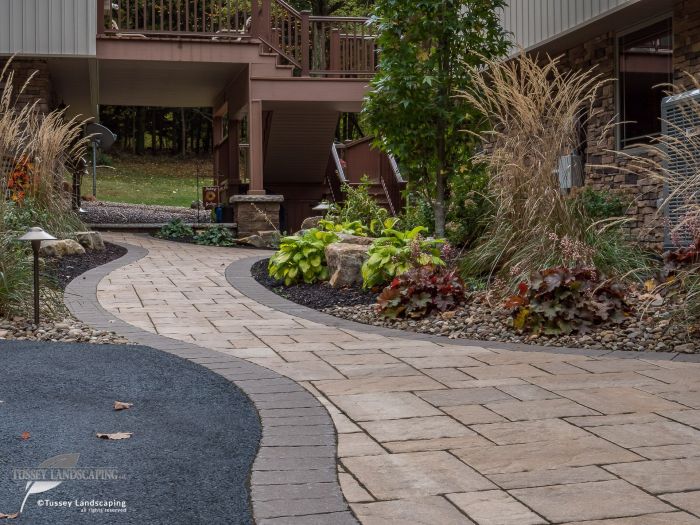
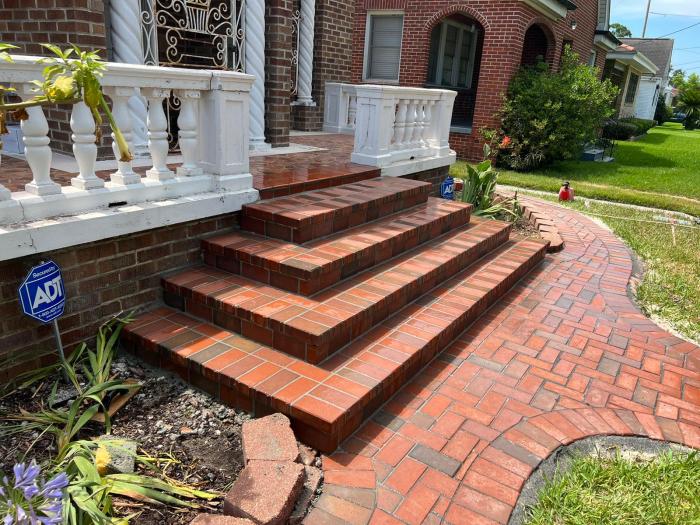
- Pavers: Paver walkways offer a wide range of colors, patterns, and textures, providing excellent aesthetic flexibility. They are generally durable and weather-resistant, though individual paver types may vary in their resistance to wear and tear. Installation can be more labor-intensive than concrete, and proper drainage is crucial to prevent water damage.
- Wood: Wooden walkways create a warm and inviting atmosphere. Natural wood has a unique aesthetic appeal, but it is susceptible to rot, insect damage, and weather deterioration. Regular maintenance, such as sealing and repainting, is necessary to extend its lifespan. Properly treated and maintained, wooden walkways can provide lasting beauty and a natural touch to the environment.
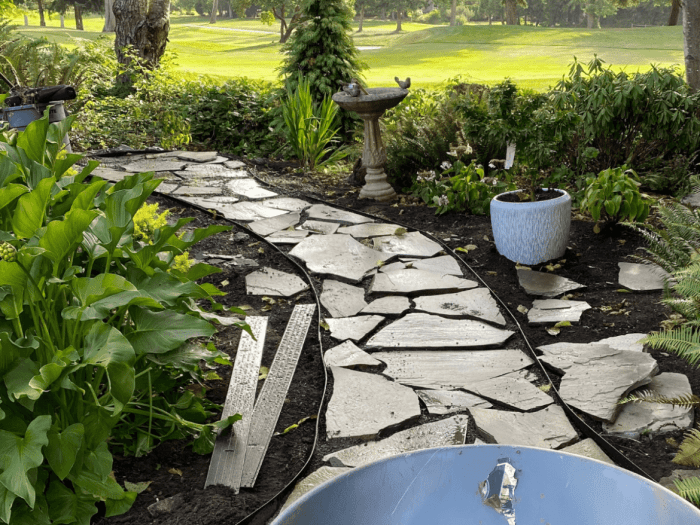
- Stone: Natural stone walkways offer a luxurious and timeless look. Different types of stone have varying levels of durability and maintenance needs. They are often more expensive than other materials, but their elegance and longevity can make them a worthwhile investment. Stone walkways are usually more complex to install due to the varied sizes and shapes of stones.
Walkway Styles and Designs
Various walkway styles cater to different architectural preferences and functional requirements.
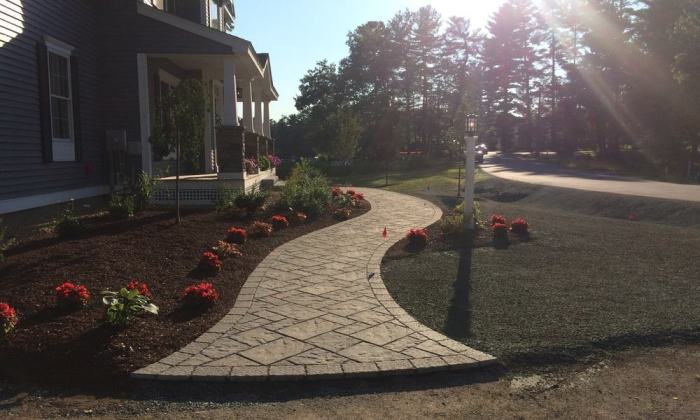
- Paver Walkways: Paver walkways can be designed in a variety of patterns, from simple linear designs to intricate geometric patterns. The use of different colors and sizes of pavers can create visually appealing and unique pathways. Examples include herringbone patterns, brick-laid patterns, and random patterns.
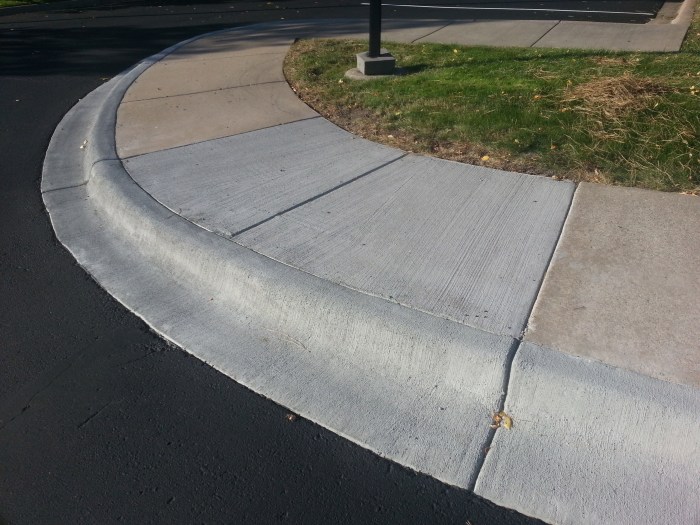
- Concrete Walkways: Concrete walkways are typically simpler in design, often featuring straight lines or simple curves. Modern designs may incorporate decorative elements like stamped concrete patterns to enhance visual appeal. The possibilities for customization are limited compared to pavers, especially in complex patterns.
- Wooden Walkways: Wooden walkways are often designed with natural curves and contours to integrate seamlessly with the surrounding environment. Decks and porches can incorporate wooden walkways, adding a touch of warmth and nature to the design. These are suitable for gardens and residential areas.
Walkway Installation Steps
A typical walkway installation project follows a series of steps for a successful outcome.
- Planning and Design: This initial phase involves site assessment, determining the walkway’s purpose, and designing the layout and configuration. Considerations include accessibility, aesthetics, and drainage.
- Excavation and Preparation: The ground is prepared to accommodate the chosen materials. This involves removing existing vegetation, leveling the surface, and creating proper drainage systems.
- Foundation Installation: A solid foundation is crucial for the longevity of the walkway. This step may involve laying gravel, compacted soil, or other base materials.
- Material Installation: The chosen materials are laid according to the design, ensuring proper alignment and spacing. This includes concrete pouring, paver placement, or wood laying.
- Finishing Touches: This final stage involves adding any necessary finishing elements, such as sealant or edging, and ensuring the walkway is level and functional.
Walkway Layouts and Configurations
Different walkway layouts are suitable for various spaces and purposes.
- Linear Walkways: Simple, straight walkways are ideal for connecting two points or creating a clear path. They are cost-effective and straightforward to construct.
- Curved Walkways: Curved walkways add a touch of elegance and create a more aesthetically pleasing path. They are suitable for gardens, courtyards, or areas where a winding path is desired.
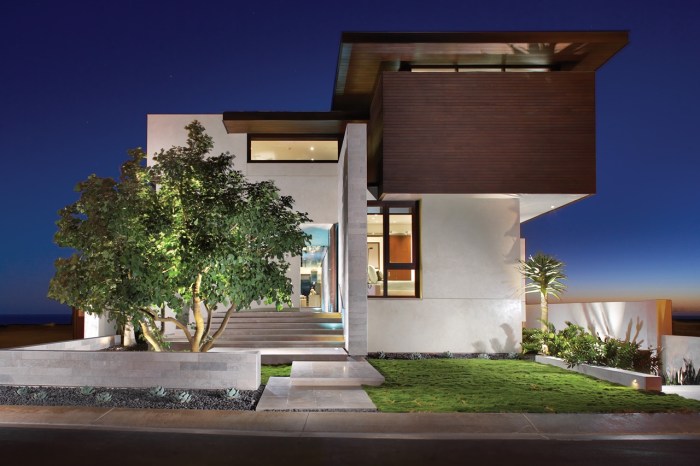
- Multi-Level Walkways: These are suitable for traversing multiple levels, such as in gardens or patios. They need careful planning to ensure stability and accessibility.
Cost Comparison of Walkway Installation
A table showcasing the estimated costs of different walkway materials and styles, including labor costs, is presented below. Note that these are estimates, and actual costs may vary depending on location, material availability, and labor rates.
| Material | Estimated Cost (per sq ft) | Labor Cost (per sq ft) | Total Estimated Cost (per sq ft) |
|---|---|---|---|
| Concrete | $5-$15 | $3-$8 | $8-$23 |
| Pavers | $10-$30 | $4-$12 | $14-$42 |
| Wood | $15-$40 | $5-$15 | $20-$55 |
| Stone | $20-$60 | $6-$20 | $26-$80 |
Finding Walkway Installers: Walkway Installation Near Me
Source: randalllandscaping.com
Choosing the right walkway installer is crucial for a successful and lasting project. Careful consideration of various factors, from experience and licensing to business size and pricing, ensures the job is handled expertly and professionally. This process involves evaluating different options and asking pertinent questions to select a qualified contractor.
Factors to Consider When Choosing a Contractor
Selecting a reliable walkway installer requires careful evaluation of their qualifications. Experience, demonstrably evidenced by past projects, is a significant factor. A contractor with a proven track record is more likely to deliver high-quality work. Licensing verifies that the company adheres to local regulations and standards, safeguarding your investment. Insurance, including liability coverage, protects both the contractor and the client in case of unforeseen incidents. A reputable installer will have the necessary insurance policies in place to mitigate risks.
Comparing Different Types of Walkway Installation Businesses
Contractors vary significantly in size and scope of operations. Small local companies often provide personalized service and a deeper understanding of local regulations and preferences. Larger national chains may offer broader reach and standardized processes, but might lack the personal touch. The choice between a small local firm and a larger national chain depends on the project’s specifics and the client’s priorities.
Questions to Ask Potential Walkway Installers, Walkway installation near me
Assessing a contractor’s competence and professionalism requires asking pertinent questions. Inquire about their experience with similar projects, their licensing and insurance status, and their approach to project management. Detailed discussions regarding materials, warranties, and payment terms will provide valuable insight. A well-prepared contractor will welcome these questions and provide comprehensive answers.
Contractor Service Offerings
Different contractors may offer various services, including design consultation, material selection, and project management. The level of service provided often varies by the contractor’s size and specialization. This table illustrates the range of services typical of different contractor types.
| Contractor Type | Typical Service Offerings |
|---|---|
| Small Local Companies | Personalized service, design consultation, material selection, project management, potentially with a focus on specific material types or styles. |
| Larger National Chains | Standardized processes, a broader range of materials, potentially faster turnaround times, and project management, often with established relationships with material suppliers. |
Contractor Profiles
This table provides profiles of potential contractors, including contact information, specializations, and client reviews. A comprehensive overview allows clients to make informed decisions based on available information.
| Contractor Name | Contact Information | Specializations | Client Reviews |
|---|---|---|---|
| Local Walkway Pros | (123) 456-7890, info@localwalkwaypros.com | Concrete, paver walkways, and retaining walls | “Excellent service, very responsive to questions, and completed the project on time and within budget.” – John Smith |
| National Walkways Inc. | (987) 654-3210, info@nationalwalkways.com | Wide variety of materials, complex projects, and large-scale installations | “Professional team, handled a complicated project flawlessly, excellent communication.” – Jane Doe |
Walkway Installation Considerations
Proper walkway installation goes beyond simply laying down materials. It involves careful planning and execution to ensure the walkway is functional, safe, and aesthetically pleasing. A well-designed walkway enhances the property’s value and improves the overall user experience. This section explores key considerations for a successful walkway installation project.
Careful planning is essential for a long-lasting and user-friendly walkway. Addressing drainage, accessibility, and material selection early in the process prevents costly repairs and ensures a walkway that meets the needs of all users. Thoughtful consideration of the surrounding environment is also critical to achieve a harmonious blend with the existing landscape.
Drainage and Grading
Adequate drainage is paramount for preventing water damage and structural issues. Proper grading directs water away from the walkway, preventing pooling and erosion. This is especially crucial in areas prone to heavy rainfall or snowmelt. Flat or poorly graded areas can lead to water accumulation, potentially causing damage to the walkway and surrounding ground. A slight slope away from the structure is recommended. Design considerations should include downspouts and gutters to divert water away from the foundation and walkways. A well-maintained drainage system will extend the lifespan of the walkway and maintain the integrity of the surrounding landscaping.
Accessibility and Safety
Ensuring accessibility and safety is a critical component of walkway design. ADA (Americans with Disabilities Act) compliance is essential for creating walkways that are usable by individuals with disabilities. This includes provisions for ramps, handrails, and sufficient width. A minimum width of 60 inches is generally recommended for walkways to accommodate wheelchairs and strollers, allowing for safe and comfortable passage. Proper lighting is also essential for visibility and safety, especially in low-light conditions. Carefully planned lighting, incorporating motion sensors, can improve security and user experience.
Maintenance Strategies
The longevity and appearance of a walkway depend heavily on the chosen material and the maintenance strategy. Concrete walkways, for example, may require sealing to prevent staining and cracking. Brick walkways might need regular cleaning and occasional repointing to maintain their aesthetic appeal. Wooden walkways necessitate regular inspections for rot and damage, along with periodic staining or sealing to preserve their structural integrity. Proper maintenance procedures depend on the type of material used and will ensure the walkway retains its value and beauty over time.
Material Selection
The choice of materials for a walkway should complement the surrounding landscape and architectural style. Natural stone, such as flagstone or slate, can provide a classic and enduring look. Brick walkways offer a traditional aesthetic, while pavers provide a variety of styles and colors. The choice of material should reflect the desired ambiance of the property. Considerations include the material’s durability, maintenance requirements, and cost. A careful evaluation of these factors will lead to a walkway that enhances the overall beauty of the property.
Site Preparation and Excavation
Thorough site preparation is crucial for a successful walkway installation. This involves clearing the area of debris, vegetation, and any obstructions. Accurate measurements are essential for establishing the correct layout. Excavation must be performed to the proper depth and width, ensuring the foundation is suitable for the chosen materials. Compaction of the sub-base is also important for stability and preventing settling. The quality of the excavation and site preparation directly impacts the long-term stability and integrity of the walkway. Soil compaction is vital to prevent future settling. Proper compaction will result in a solid foundation.
Last Point
In conclusion, planning a walkway installation near you requires careful consideration of materials, design, and contractors. By understanding the steps involved, from selecting the perfect style to ensuring compliance with regulations, you can successfully navigate this project. Remember to prioritize factors like drainage, accessibility, and safety. With proper planning and execution, you can transform your outdoor space with a stunning and functional walkway.