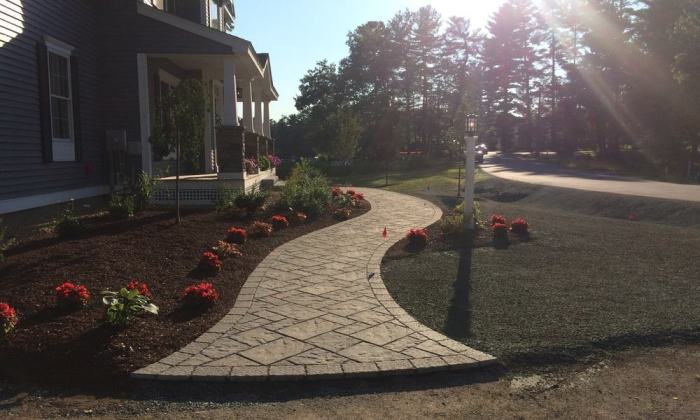
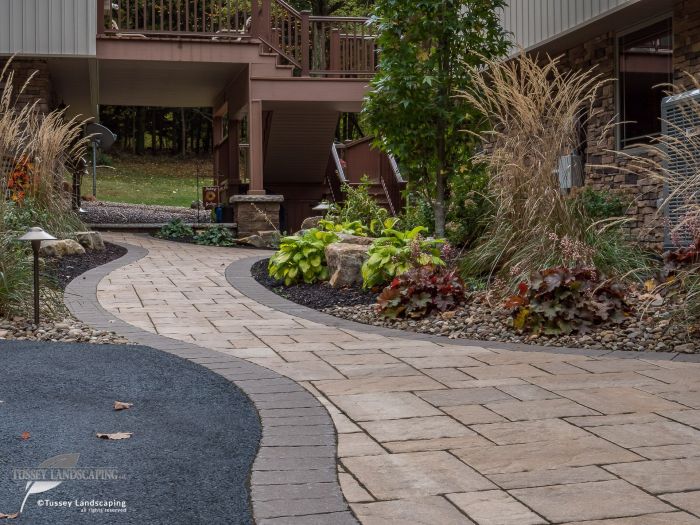
Modern Front Walkway Design
Modern front walkway design offers a chance to create a welcoming and stylish entryway. It’s more than just a path; it’s an extension of your home’s personality, a first impression that speaks volumes.
This exploration delves into key design considerations, from choosing the right materials and integrating lighting to maximizing functionality and seamlessly blending the walkway with your home’s architecture. We’ll uncover the latest trends, examine sustainable options, and discover ways to create a truly unique and inviting space.
Design Considerations
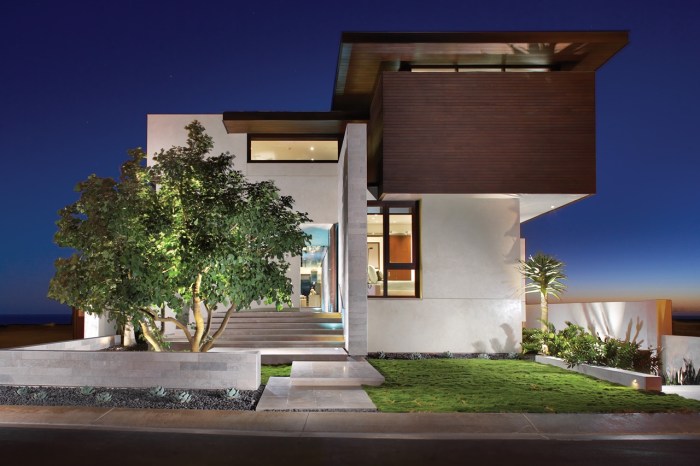
Source: nivasa.lk
Modern front walkways are more than just functional pathways; they are extensions of a home’s aesthetic, reflecting the homeowner’s personality and taste. Careful design considerations are essential for creating a welcoming and enduring entryway. This section will delve into various design styles, emphasizing accessibility and safety, and exploring the integration of lighting and landscaping. Finally, a comparative analysis of different materials and a seating area design example will be presented.
The success of a modern front walkway hinges on its ability to blend seamlessly with the surrounding architecture and landscape. Choosing appropriate materials, lighting, and landscaping can transform a simple walkway into a memorable entry experience.
Design Styles for Modern Front Walkways
Modern front walkways can adopt diverse design styles, each offering unique visual appeal. These stylistic variations often stem from material choices and aesthetic elements.
- Contemporary Minimalism: This style prioritizes clean lines, uncluttered surfaces, and neutral color palettes. Materials like polished concrete or sleek metal railings, combined with strategically placed low-maintenance plants, create a modern and sophisticated look. For instance, a walkway using large-format concrete slabs in a light gray tone, bordered by subtle metal accents, embodies this style.
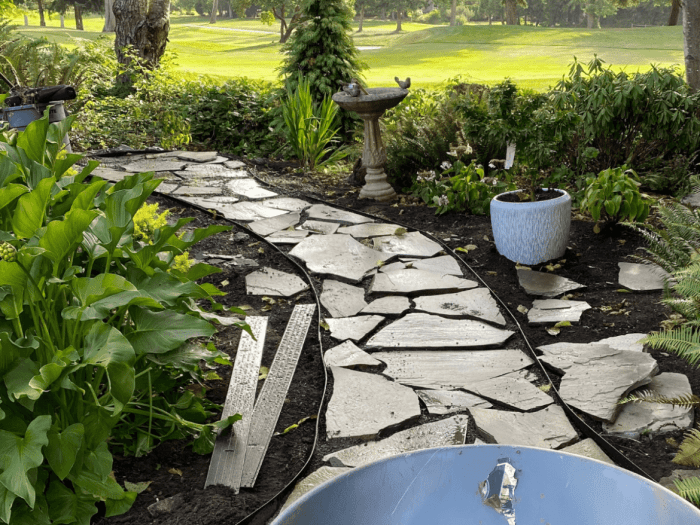
- Rustic Modern: This approach blends modern aesthetics with natural elements. Materials like reclaimed wood or stone are commonly used. The incorporation of natural landscaping, such as native shrubs and perennials, further enhances the rustic charm. A walkway constructed from weathered gray wood planks, with integrated stepping stones and native wildflowers along the sides, would be a suitable example.
- Geometric Modern: This design focuses on intricate patterns and shapes. Using materials like patterned pavers or mosaic tiles can create a visually stimulating walkway. Intricate geometric designs in contrasting colors, combined with sculptural lighting fixtures, are key components of this style. For instance, a walkway composed of various-sized, patterned concrete pavers in bold geometric shapes, coupled with up-lighting accentuating the design elements, would epitomize this style.
Accessibility and Safety Features
Ensuring accessibility and safety is paramount in modern front walkway design. These features contribute to the overall usability and enjoyment of the walkway for all users, including those with mobility limitations.
- Ramps and Gradual Slopes: Ramps and gradual slopes are crucial for wheelchair accessibility and easy navigation. The slope should be no steeper than 1:12, allowing for comfortable and safe movement. Adequate width must also be considered.
- Non-Slip Surfaces: Non-slip surfaces are essential to prevent falls, particularly during wet weather. Materials like textured concrete or pavers with specific surface treatments can enhance traction.
- Handrails and Supports: Handrails or support structures should be provided where necessary to assist users with balance and mobility, especially for longer walkways or those with significant elevation changes. Proper placement and design are critical for safety and usability.
Lighting and Landscaping Integration
Effective integration of lighting and landscaping elements enhances the walkway’s aesthetic appeal and functionality.
- Ambient Lighting: Strategically placed ambient lighting can highlight the walkway’s design features, enhance visibility, and create a welcoming atmosphere. Soft, diffused lighting is preferred for creating a warm and inviting ambiance.
- Path Lighting: Path lighting, such as low-voltage LED fixtures or solar-powered options, ensures safe navigation at night. Consider using fixtures that complement the walkway’s design.
- Landscaping Elements: Landscaping, including plants, shrubs, and ground covers, can soften the edges of the walkway, adding visual interest and texture. Appropriate plant selection is essential to minimize maintenance requirements.
- Water Features: Small water features, like fountains or decorative ponds, can add a calming touch to the landscape and create a soothing atmosphere.
- Energy Efficiency: Choose energy-efficient lighting options to reduce energy consumption and environmental impact. LED lighting is an excellent choice.
Material Comparison
A comparative analysis of common materials for modern front walkways highlights their respective strengths and weaknesses.
| Material | Pros | Cons |
|---|---|---|
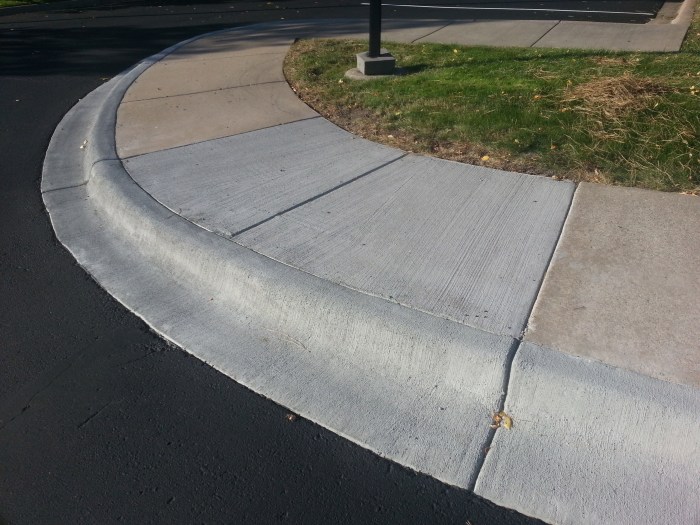
| Concrete | Durable, low-maintenance, cost-effective, versatile in design | Can be cold to the touch, may require sealing, and can appear harsh without landscaping |
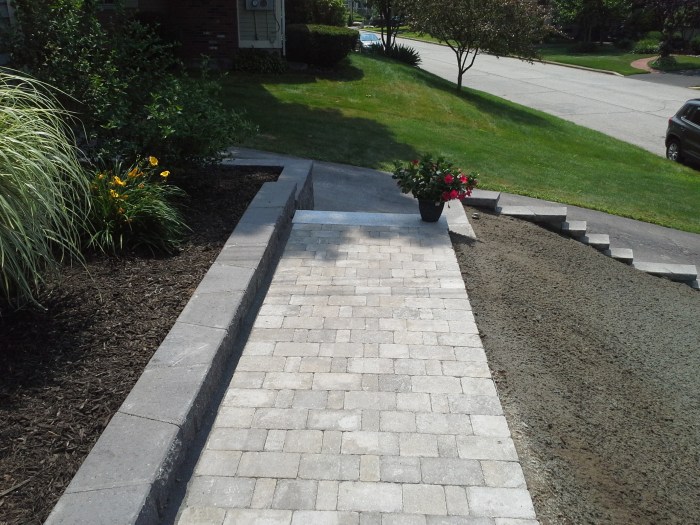
| Pavers | Aesthetically versatile, customizable designs can be permeable, durable | Can be more expensive than concrete; installation can be complex, with potential for uneven surfaces if not properly installed |
| Wood | Warm, natural aesthetic creates a cozy atmosphere, and can be personalized | Requires regular maintenance, susceptible to weather damage, less durable than concrete or pavers |
Modern Front Walkway Design with Seating Area
Integrating a seating area into a modern front walkway enhances its functionality and provides a relaxing space for socializing or simply enjoying the surroundings.
- Location: A seating area should be situated near the entryway or a focal point in the yard, offering a welcoming spot to greet guests or enjoy the ambiance. Consider the surrounding landscaping and architectural features when selecting a location.
- Seating Design: A simple bench or a custom-designed seating area can be incorporated. The seating design should complement the walkway’s overall aesthetic and integrate seamlessly with the surrounding landscape.
- Material Selection: The seating area’s materials should harmonize with the walkway’s materials. Durable and weather-resistant materials are crucial for outdoor use.
- Lighting and Landscaping: Careful placement of lighting and landscaping around the seating area can enhance the overall ambiance and functionality of the space.
Modern Materials and Trends
Modern front walkways are evolving beyond traditional designs, incorporating innovative materials and sustainable practices. This shift reflects a growing awareness of environmental concerns and a desire for aesthetically pleasing, long-lasting structures. Contemporary designs often prioritize visual appeal, durability, and the integration of environmentally conscious choices.
Contemporary front walkway designs frequently leverage a wide array of materials, each with unique characteristics. The choice of material often hinges on factors such as budget, desired aesthetic, and the specific environmental conditions of the area. Sustainable practices are increasingly important in the selection of these materials.
Latest Materials and Trends
Modern walkway construction employs a diverse range of materials, each offering distinct advantages. Concrete, a classic choice, continues to be refined with the introduction of specialized blends and colored aggregates. Natural stone, including slate, granite, and flagstone, remains a popular option, providing a timeless aesthetic. Composite materials, engineered to mimic natural stone or wood, are gaining traction due to their resilience and low maintenance. Recycled materials, such as reclaimed wood or recycled glass, are also gaining popularity, aligning with sustainable design principles.
Sustainability in Modern Walkway Design
Sustainability plays a crucial role in modern walkway design. The selection of materials is a primary consideration. Recycled or reclaimed materials minimize environmental impact. Materials with low embodied energy, meaning less energy required for their production, are favored. Sustainable practices extend to the design’s lifespan. Low-maintenance materials reduce the need for frequent replacements and minimize waste. Additionally, designs that incorporate permeable paving systems can aid in stormwater management.
Comparison of Paving Materials
Different paving materials offer unique advantages for modern front walkways. Concrete, while durable and adaptable, can be visually uninspiring if not carefully detailed. Natural stone provides a rich aesthetic but can be more costly and challenging to install. Composite materials offer a balance between affordability, durability, and design versatility. Their ability to mimic natural materials like wood or stone makes them a versatile option for various styles.
Color and Texture in Visual Interest
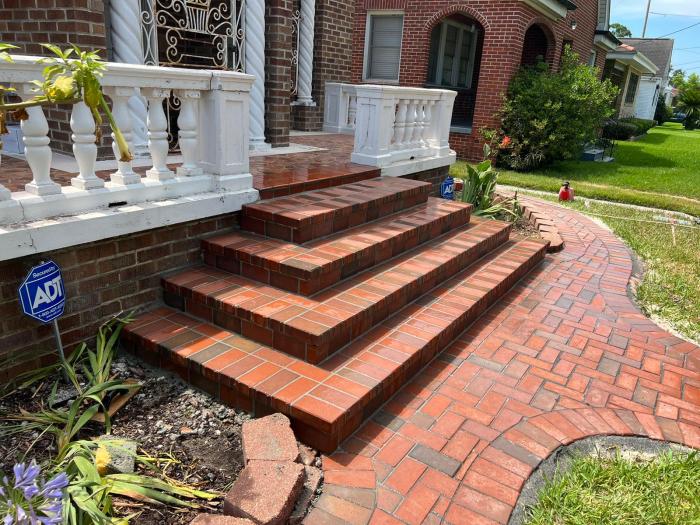
Color and texture are key elements in creating visual interest in modern front walkways. A combination of contrasting colors, such as warm terracotta and cool gray, can create a dynamic visual appeal. Textural variations, like the rough texture of natural stone or the smooth finish of concrete pavers, contribute to the overall aesthetic. The careful selection of colors and textures can enhance the walkway’s visual appeal and create a distinct identity for the home’s exterior.
Decorative Elements
Decorative elements such as sculptures or water features can enhance a modern front walkway’s aesthetic appeal. Sculptures can add a focal point, and water features can provide a calming and serene atmosphere. The choice of decorative elements should complement the overall design theme and architectural style of the home. Carefully selected pieces can transform a simple walkway into a captivating and memorable space.
Modern Materials for Front Walkways
| Material | Aesthetic Impact |
|---|---|
| Recycled Glass Pavers | Unique, modern, and environmentally conscious. Provides a distinctive, textured look. |
| Concrete Pavers with Colored Aggregates | Versatile and customizable. Allows for a wide range of colors and patterns, offering a modern or traditional feel. |
| Composite Decking | Low-maintenance and durable. Offers a wide array of colors and textures, mimicking natural materials like wood or stone, and is easy to install. |
| Natural Stone Slabs (e.g., Slate) | Timeless and elegant. Provides a sophisticated and natural look. It can be more costly and demanding to maintain. |
| Reclaimed Wood Planks | Rustic and eco-friendly. Adds a warm and unique character. It can require more maintenance than other materials. |
Functionality and Integration
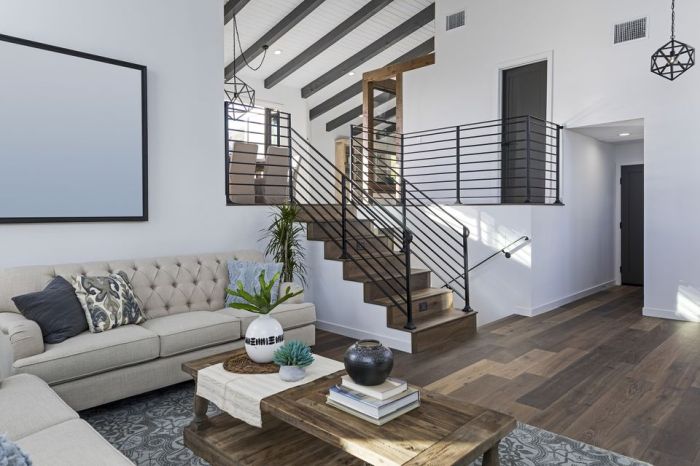
Source: thespruce.com
Modern front walkways are no longer simply transitional spaces; they are integral components of a home’s overall design, enhancing its aesthetic appeal and functionality. Careful consideration of integration with the surrounding architecture is crucial for a harmonious and aesthetically pleasing result. This involves more than just matching materials; it’s about creating a cohesive flow that extends the home’s visual narrative.
Integrating a modern front walkway seamlessly with surrounding architecture often involves the use of similar materials and color palettes. This creates a sense of unity, guiding the eye from the entrance to the rest of the house. Using consistent textures and patterns further strengthens this connection. For example, a home with clean lines and a minimalist aesthetic will benefit from a walkway with similar characteristics, while a more ornate home might welcome a walkway with subtly intricate details.
Integration with Architectural Styles
Modern front walkways can blend seamlessly with a variety of architectural styles. A contemporary home with large windows and expansive glass facades can be complemented by a minimalist walkway featuring polished concrete or a sleek, modern metal railing. Conversely, a traditional home with intricate details might benefit from a walkway using natural stone or reclaimed wood, providing a warm and inviting transition. Careful consideration of the existing architectural style will ensure a cohesive and visually appealing result. A good example is the use of exposed aggregate concrete in a contemporary home, mimicking the industrial aesthetic of the building materials and further emphasizing the modern design.
Incorporating Storage and Utility, Modern front walkway
Modern front walkways can be more than just a place to walk. They can seamlessly integrate storage or utility features. Built-in benches with storage underneath can provide seating and a place to stash mail, small items, or even planters. A dedicated drop-off area with built-in cubbies could be designed to streamline entry and organize belongings. Adding a small, built-in planter box provides a focal point and adds a touch of greenery. This approach allows the front walkway to be a functional extension of the home, not just an aesthetic element.
Creating Spaciousness and Flow
A key element in modern front walkway design is the creation of a sense of spaciousness and seamless flow. Open layouts, minimal obstructions, and the strategic use of lighting can significantly enhance the sense of space. A wide walkway, or one that gracefully curves, can contribute to this feeling of spaciousness. Consider the use of glass railings or transparent materials to create an airy atmosphere, further enhancing the sense of flow. Using light and airy colors can also make a walkway feel more spacious.
Smart Home Technology Integration
Smart home technology can enhance the functionality and experience of a modern front walkway. Integrated lighting systems can be controlled remotely, adjusting brightness and color temperature based on the time of day or user preference. Motion sensors can activate exterior lighting as needed, enhancing security and providing a welcoming atmosphere. This adds a layer of convenience and personalization. Consider how automated lighting or sound systems could be incorporated into the walkway design, for example, creating a custom welcome sequence.
Functionality Options Table
| Functionality | Description | Example |
|---|---|---|
| Storage | Built-in benches with storage, cubbies, or recessed niches. | A bench with drawers underneath for storing mail or small items. |
| Seating | Designated seating areas, benches, or ottomans. | A small, modern bench for resting and admiring the landscaping. |
| Lighting | Integrated lighting systems, pathway lights, or accent lighting. | LED pathway lights that can be programmed for different lighting sequences. |
| Security | Motion sensors, security cameras, or doorbell integration. | Motion sensors that activate exterior lighting to deter potential intruders. |
Epilogue: Modern Front Walkway
In conclusion, crafting a modern front walkway is a multifaceted project. By thoughtfully considering design styles, materials, accessibility, and functionality, you can create a stunning entryway that enhances both the aesthetic appeal and practical value of your home. Remember, the walkway should be a reflection of your style and integrate harmoniously with your home’s architecture.